


Articles
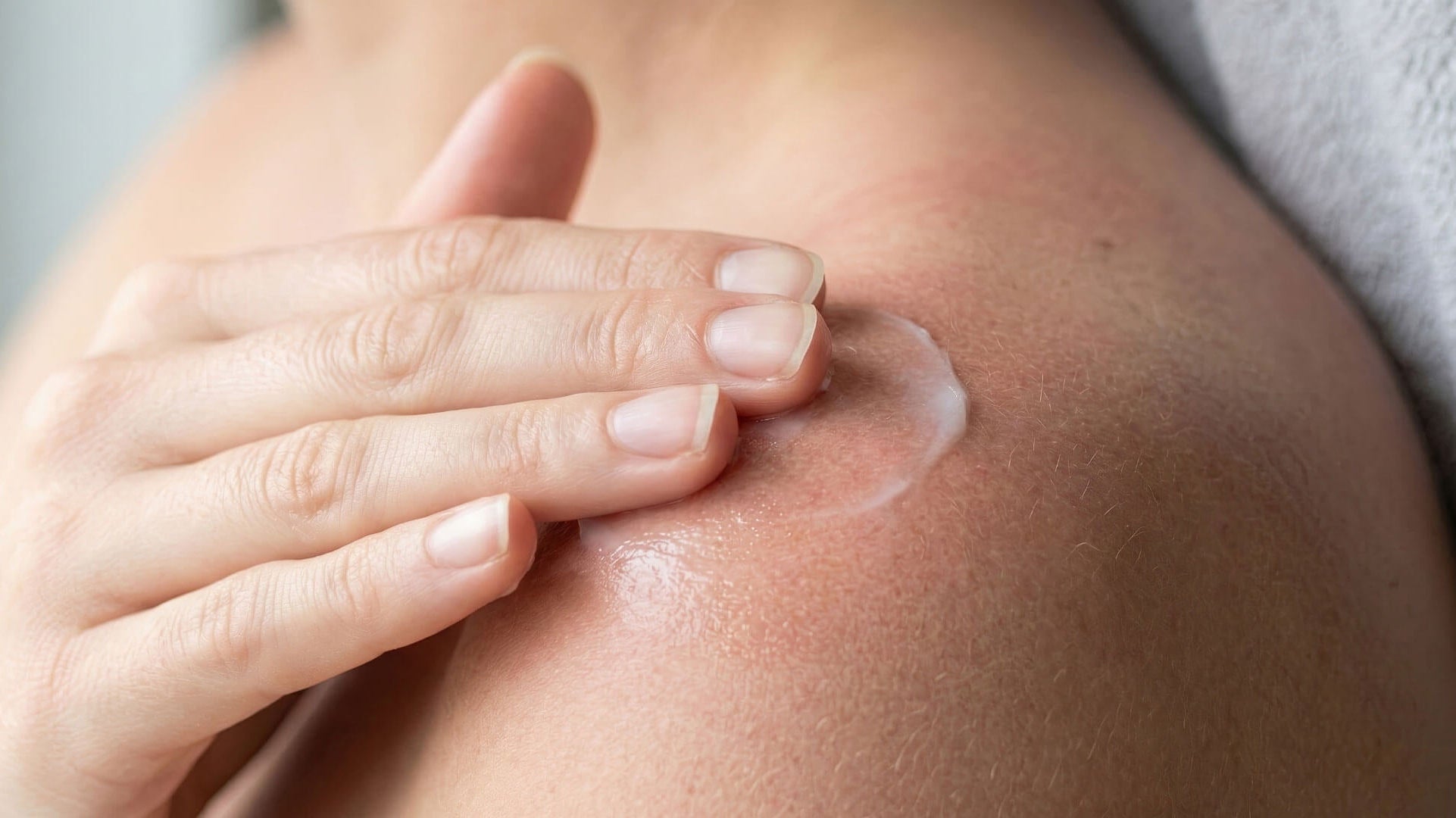
Does Hemp Lotion Help with Sunburn? Yes. Here Is What to Look For.
Hemp lotion really does help with sunburn, and the science behind why is more interesting than most people expect. Learn what hemp seed oil actually does to sun-damaged skin and what to look for in an aftersun lotion that works.

Best Sunscreen for Sensitive Skin: Why Yours Stings and What to Use Instead
The stinging is not the SPF. It is fragrance, alcohol, and chemical filters that turn UV into heat on skin that cannot handle it. Here is what to look for, what to avoid, and how to apply it without a reaction.
Best Sunscreen for Skin Cancer Prevention
Skin cancer is the most common cancer in the United States. Daily sunscreen is one of the most powerful tools for preventing it. Here is what to look for in a formula that actually protects, and a free skin check guide to help you catch problems early.

What to Pack for a Wellness Retreat: Sun Protection and Skincare
Every wellness retreat packing guide tells you to bring sunscreen. Almost none explain why it matters more there than anywhere else. Spa treatments, chemical peels, and retinol protocols actively increase your skin's UV sensitivity, making post-treatment SPF a clinical requirement, not an afterthought.

What Sunscreen Can You Bring to the Caribbean?

Best Sunscreen for Kids 2026: Tear-Free, Reef-Safe, and Built for the Water
Tear-free, reef-safe, and built to hold up through real swimming. Everything parents need to know about choosing the best sunscreen for kids in 2026.

Best Water-Resistant Sunscreen for Swimming
Standard 80-minute sunscreen was not built for real swimming. SolRX Waterblock was independently tested over 8 full hours of water exposure. The SPF 30 formula came out rated SPF 35.83.

Best Sunscreen for Your Face
Your face is exposed to UV every single day. The best sunscreen for your face dries clear, won't clog pores, and works under makeup. SolRX Pure Mineral was built for exactly this.

Best Mineral Sunscreen for Everyday Wear

Why Daily Sunscreen Is the Most Important Step in Your Skincare Routine
UVA rays cause skin aging year-round -- through clouds, through windows, every day you're not wearing SPF. Here's the science behind daily sunscreen and how to make it the easiest step in your routine.
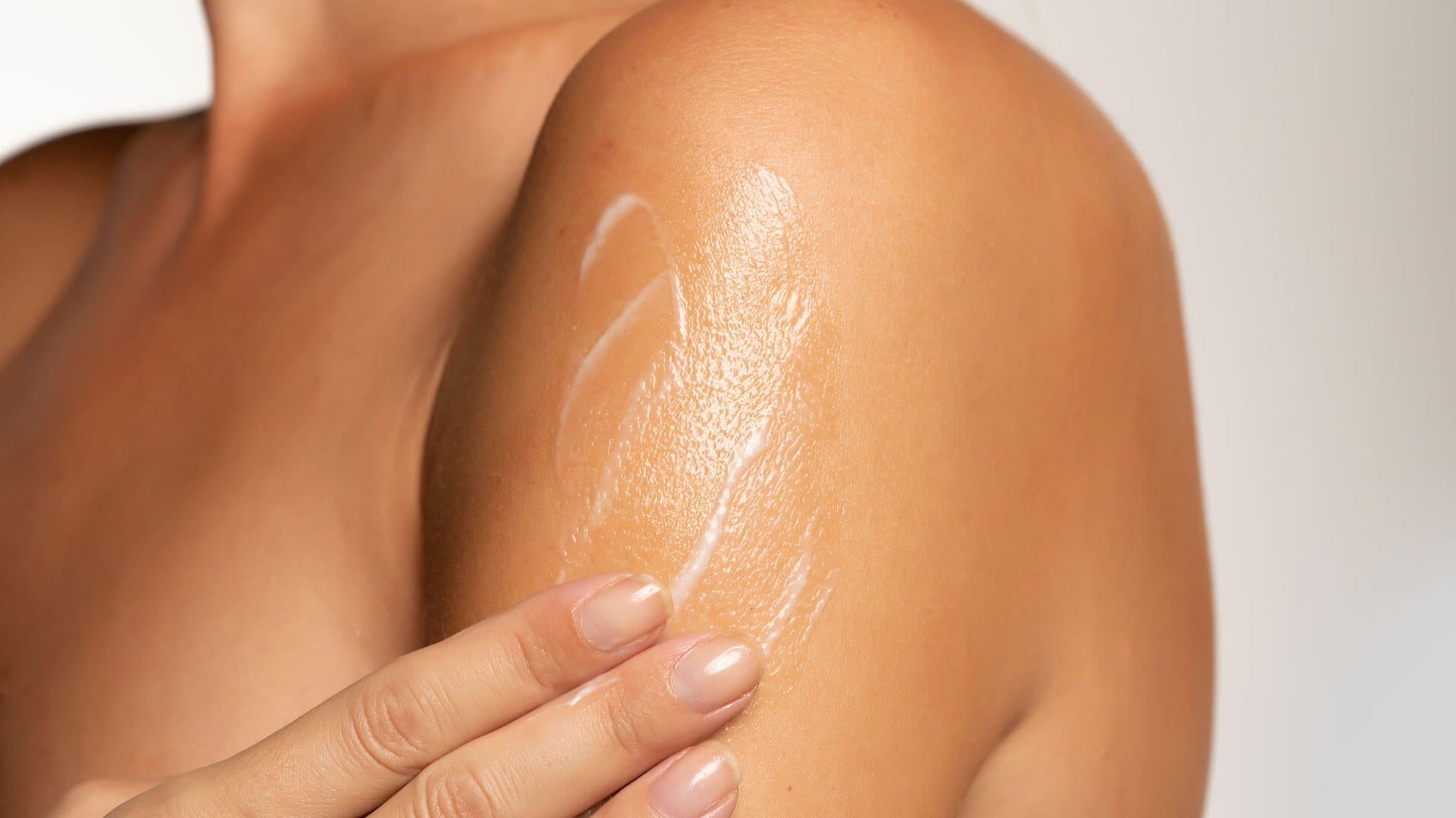
Why After-Sun Care Is the Step Most People Skip (And What It Actually Does for Your Skin)
Your sunscreen protects you during the day. But what happens to your skin after? Most people skip the most important step in sun care. Here is what daily aftersun actually does and why active people need it year-round.

Reef Safe Sunscreen: What It Actually Means
Reef safe is not a regulated term. Any brand can put it on a label. Here is what the science actually says about which sunscreen ingredients harm coral reefs, which ones are safe, and how to tell the difference.

