

Articles

Best Sunscreen for Hiking: Protection for the Long Haul
Hiking means hours in direct sun, often at elevation where UV intensity is significantly higher than at sea level. Most sunscreens aren't designed for a full day on the trail. Here is what is.

UVA vs UVB: What's the Difference and Why It Matters
UVA rays cause aging. UVB rays cause burning. Both cause skin cancer. Understanding the difference is the first step to choosing a sunscreen that actually protects you.
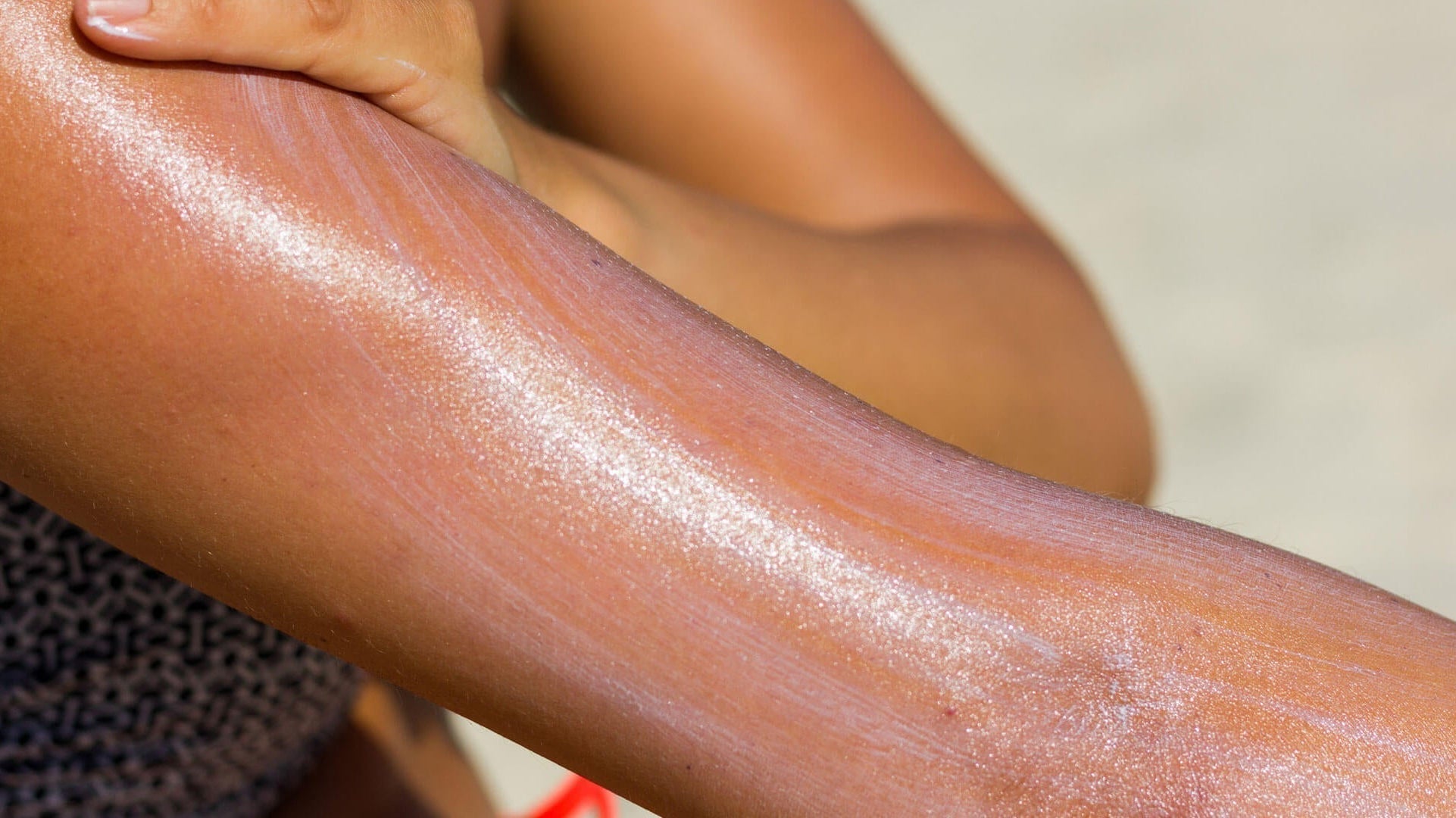
Zinc Oxide Sunscreen: Why It's the Gold Standard
Zinc oxide protects against UVA and UVB, but not the way most people think. Here is what it actually does, how it compares, and why the white cast reputation is outdated.

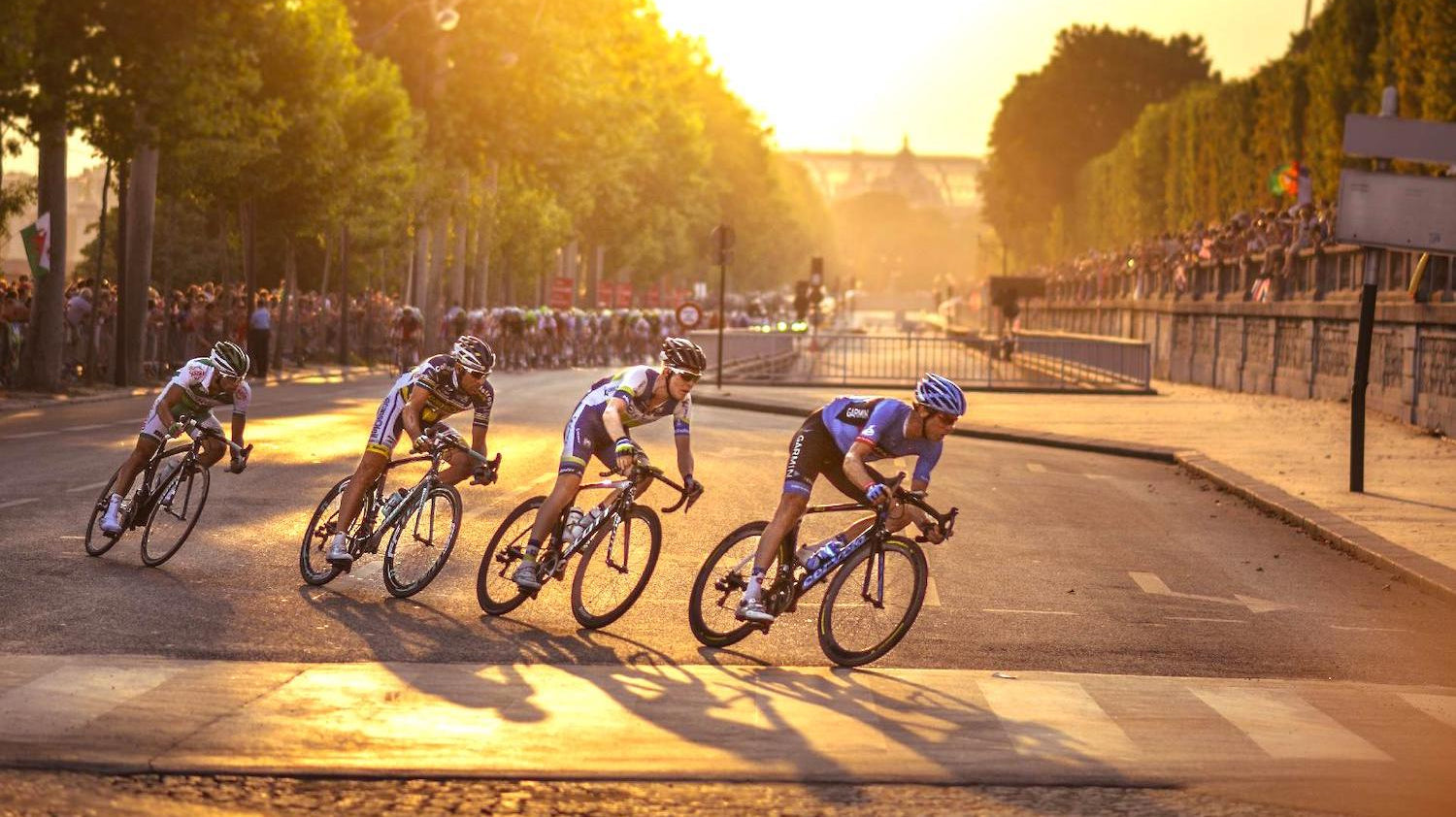
Best Sunscreen for Triathletes: Built for Every Leg
A triathlon puts sunscreen through conditions no single-sport formula is built for. Water, wind, sweat, and hours of racing on one application. SolRX Waterblock lotions were independently tested over 8 continuous hours of immersion. Here is the leg-by-leg plan.

Best Sunscreen for Runners in 2026: What Actually Stays On

The Best Sunscreen for Golfers: Protection That Does Not Get in the Way
Four to six hours of direct sun exposure per round adds up fast. The right sunscreen needs to protect without affecting your grip, stinging your eyes, or needing constant reapplication. Here is what works on the course.
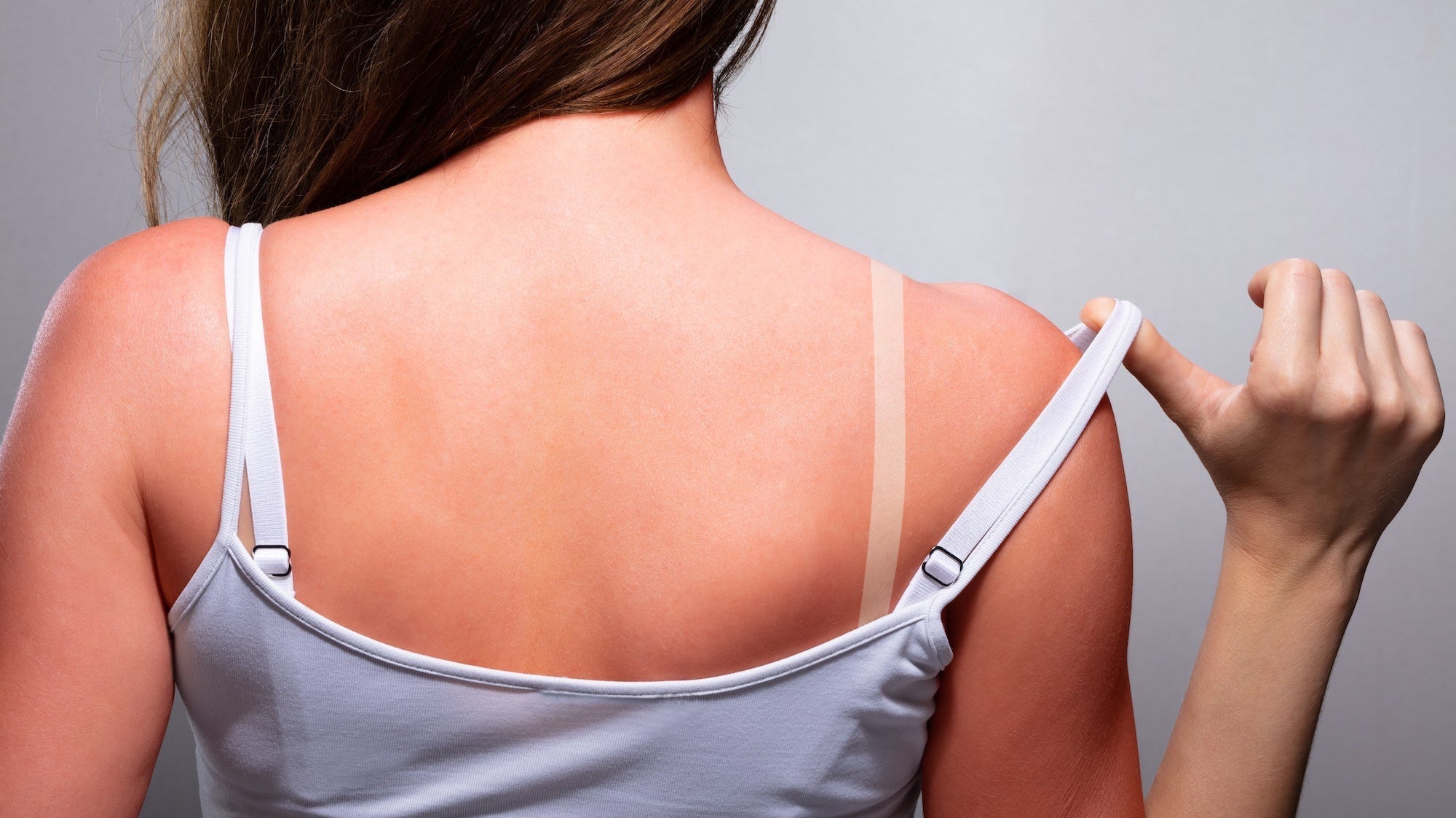
5 Dermatologist Secrets To Save Your Summer

Mineral vs Chemical Isn't as Important as Water Resistance

The Best Sunscreen for Athletes: What Actually Stays On
Most sunscreens are not built for what athletes put them through. Sweat, heat, and hours of effort break down standard formulas fast. Here is what actually stays on when it counts.
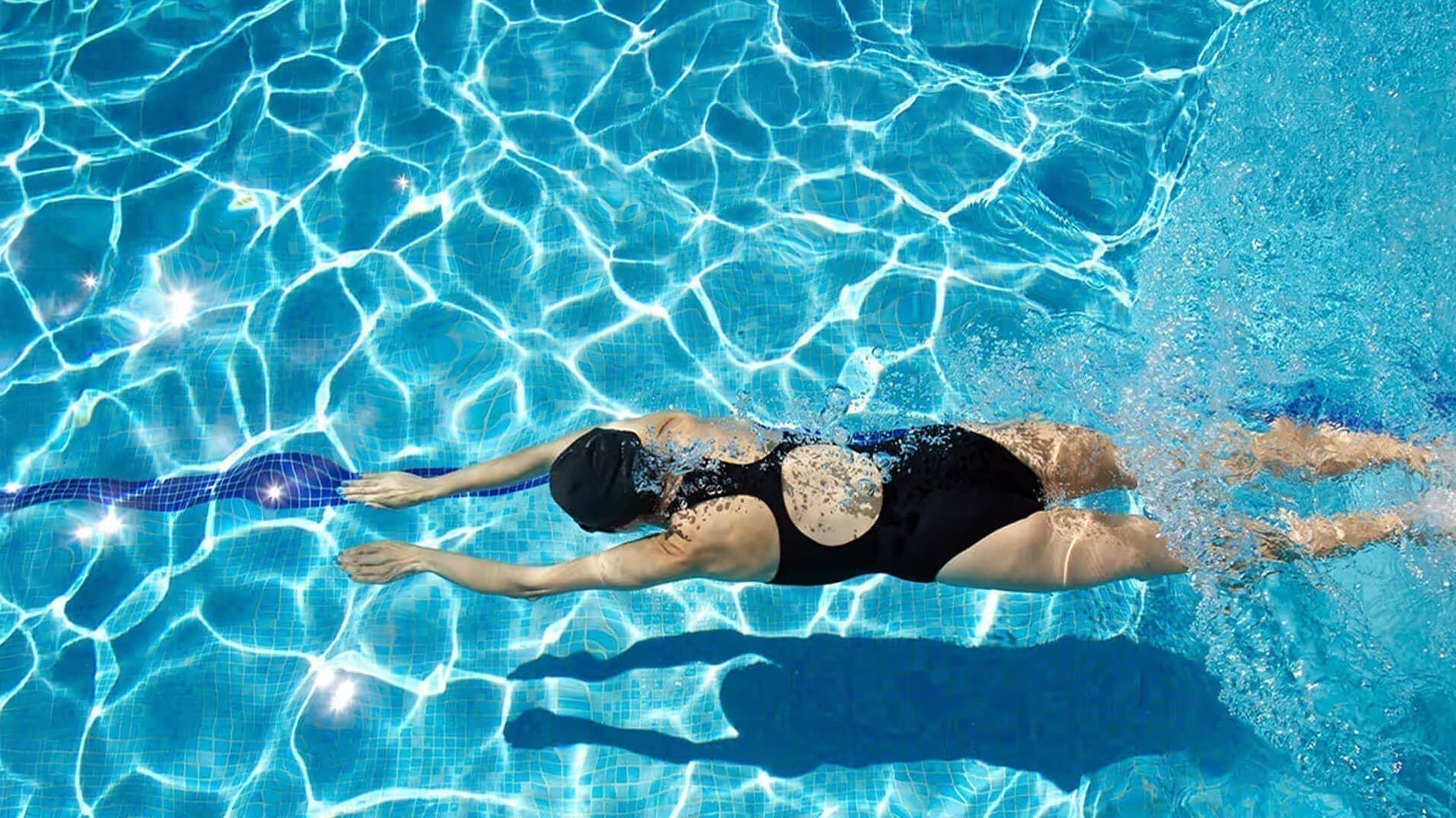
Why Most Sunscreens Fail Competitive Swimmers
Most sunscreens are tested for 80 minutes of water resistance. Competitive swimmers and triathletes need a formula that actually lasts through a full training session or race. Here is why standard formulas fail and what to use instead.
Oxybenzone-Free Sunscreen: What It Means and Why It Matters