


SPF for every single day. UVA rays cause skin aging and pigmentation year-round, indoors and out, cloudy or clear. Broad-spectrum SPF 30 to 50. Oxybenzone-free. Non-comedogenic. Dermatologist-tested. Made in USA.



What Is Daily Defense Sunscreen?
Daily defense sunscreen is broad-spectrum SPF protection designed for consistent, everyday use as part of a morning skincare routine. It is not a beach product or a seasonal purchase. It is the final protective step applied every morning before you leave the house, whether you are spending the day outdoors or sitting at a desk by a window. The distinction between daily defense sunscreen and sunscreen for specific activities comes down to formula priorities. A daily defense formula needs to feel comfortable for all-day wear, layer smoothly under moisturizer and makeup, and not disrupt the rest of your skincare routine. It needs to be something you will actually reach for every single morning.
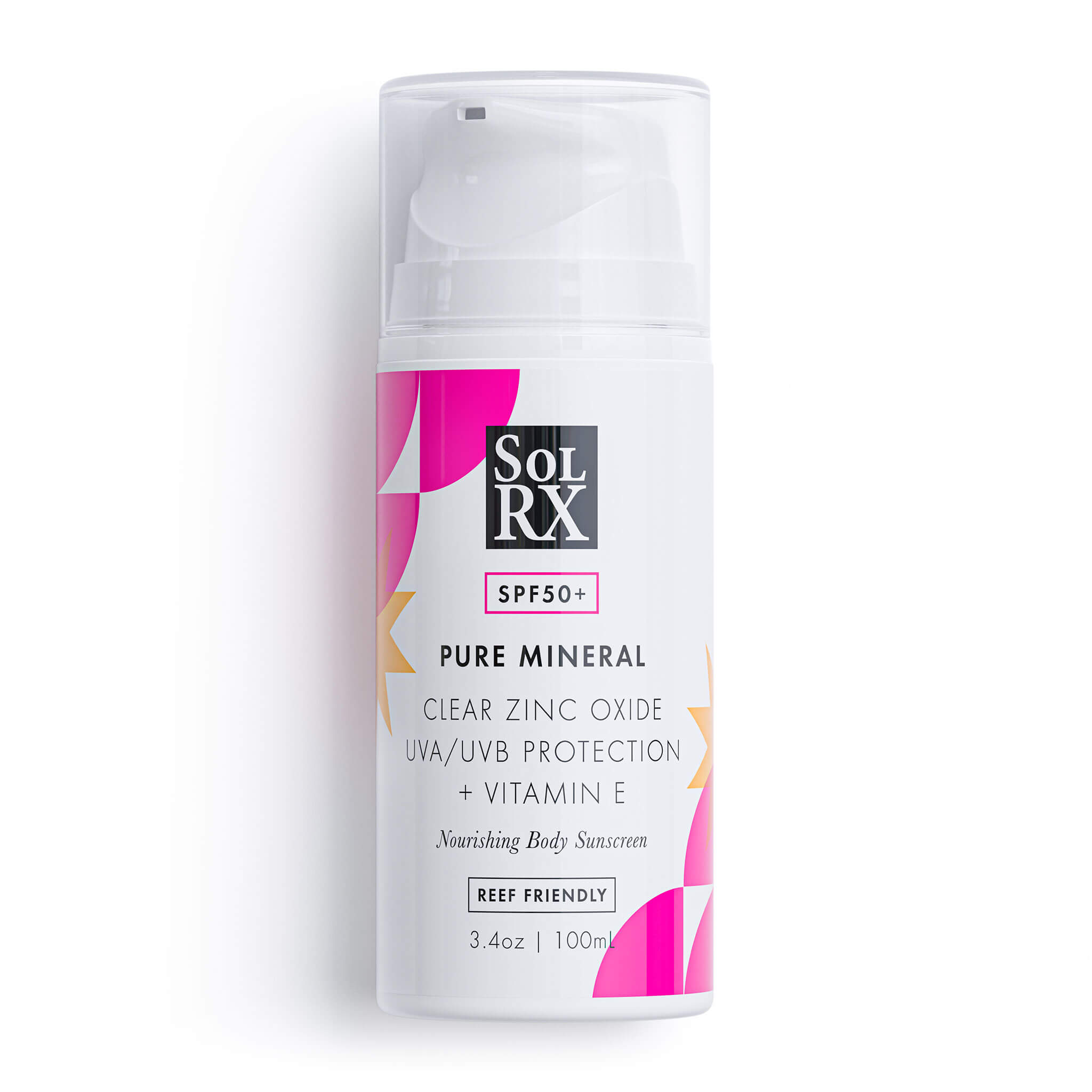
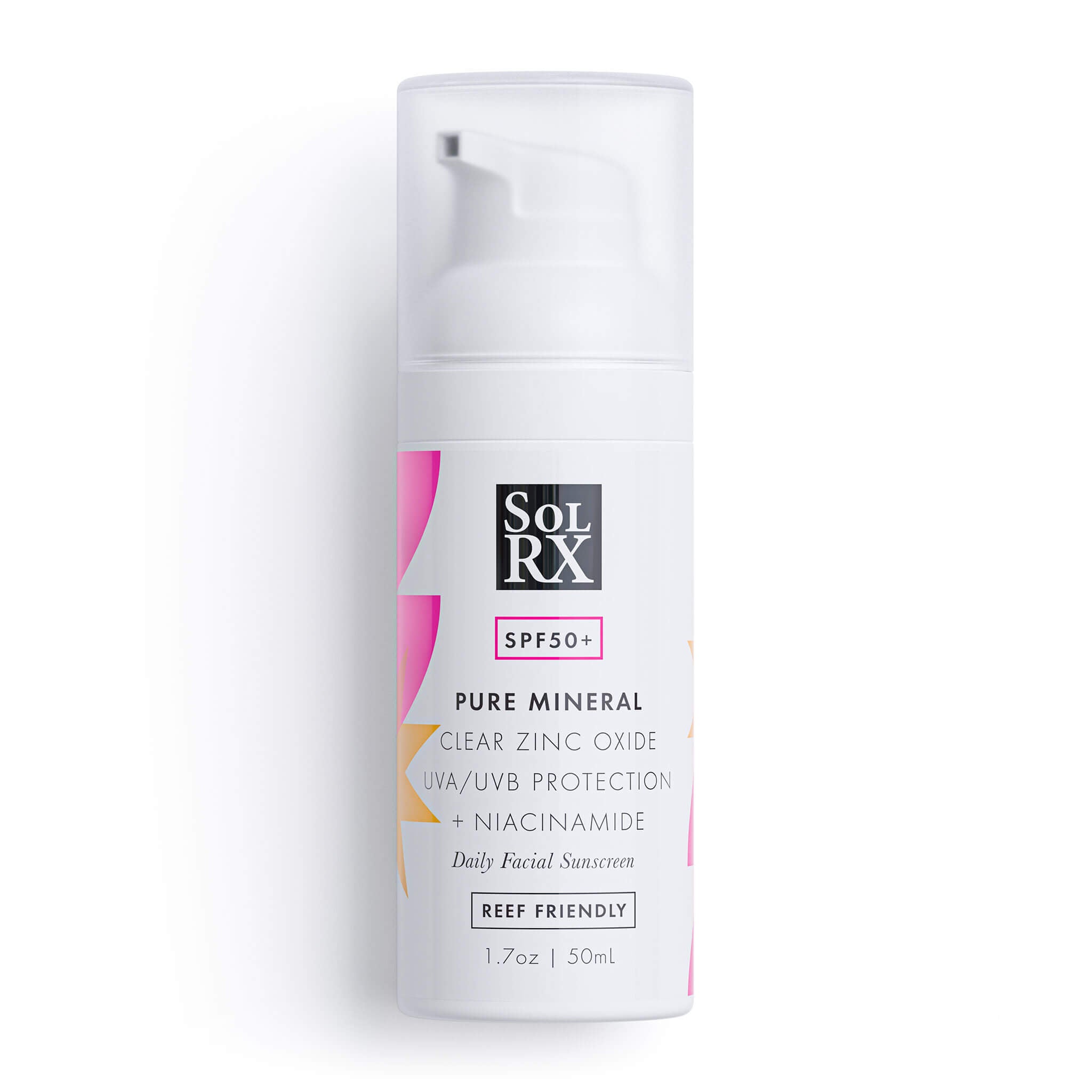
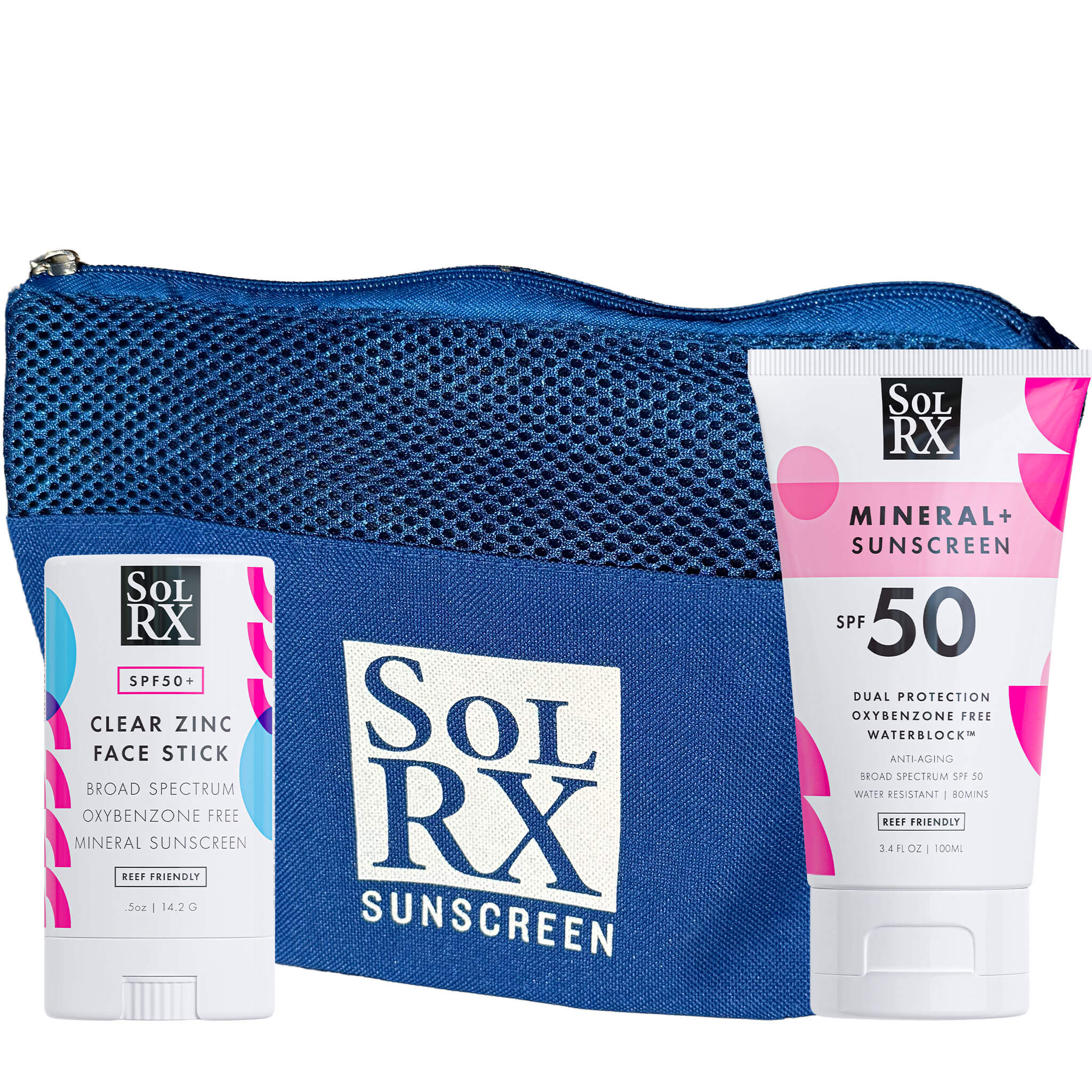
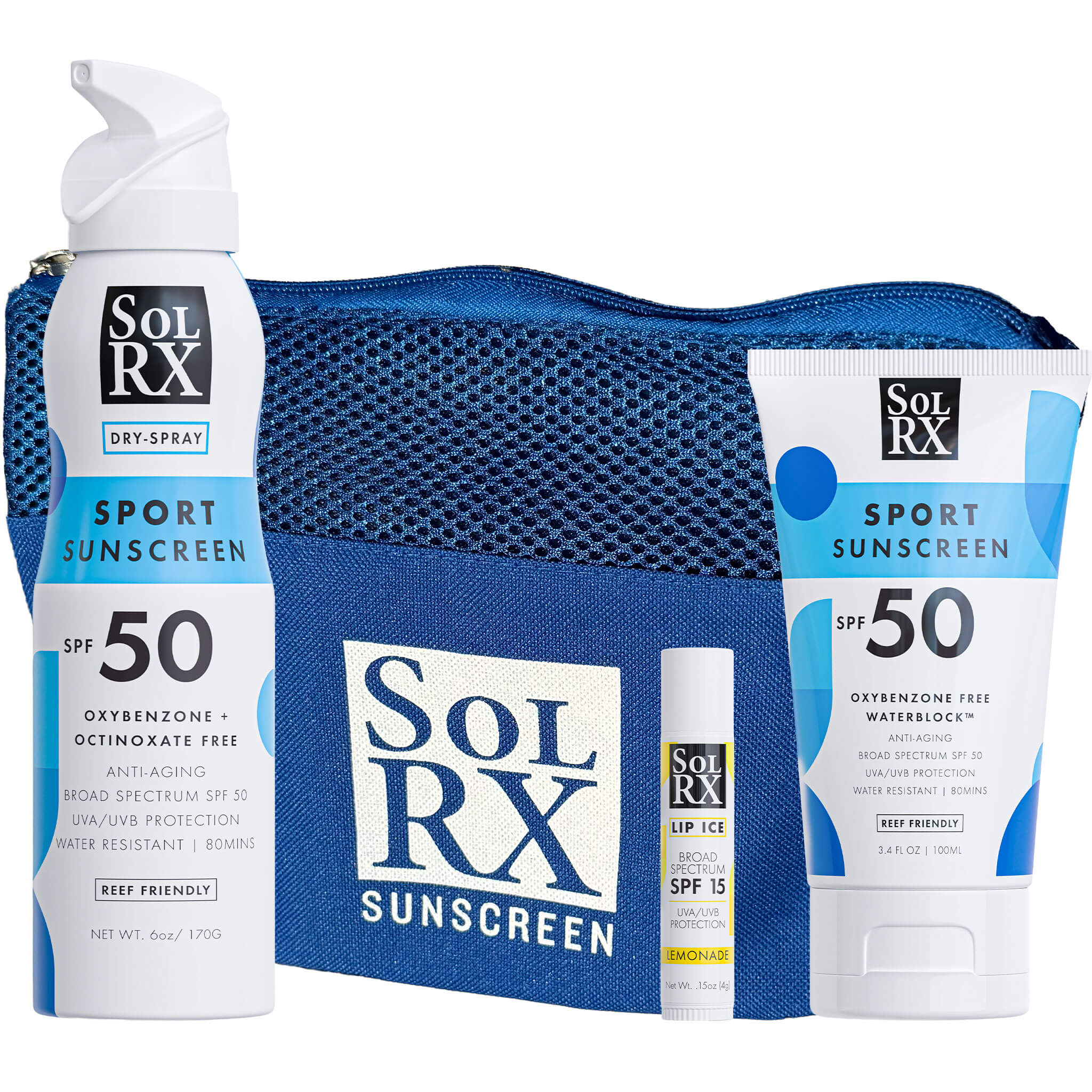
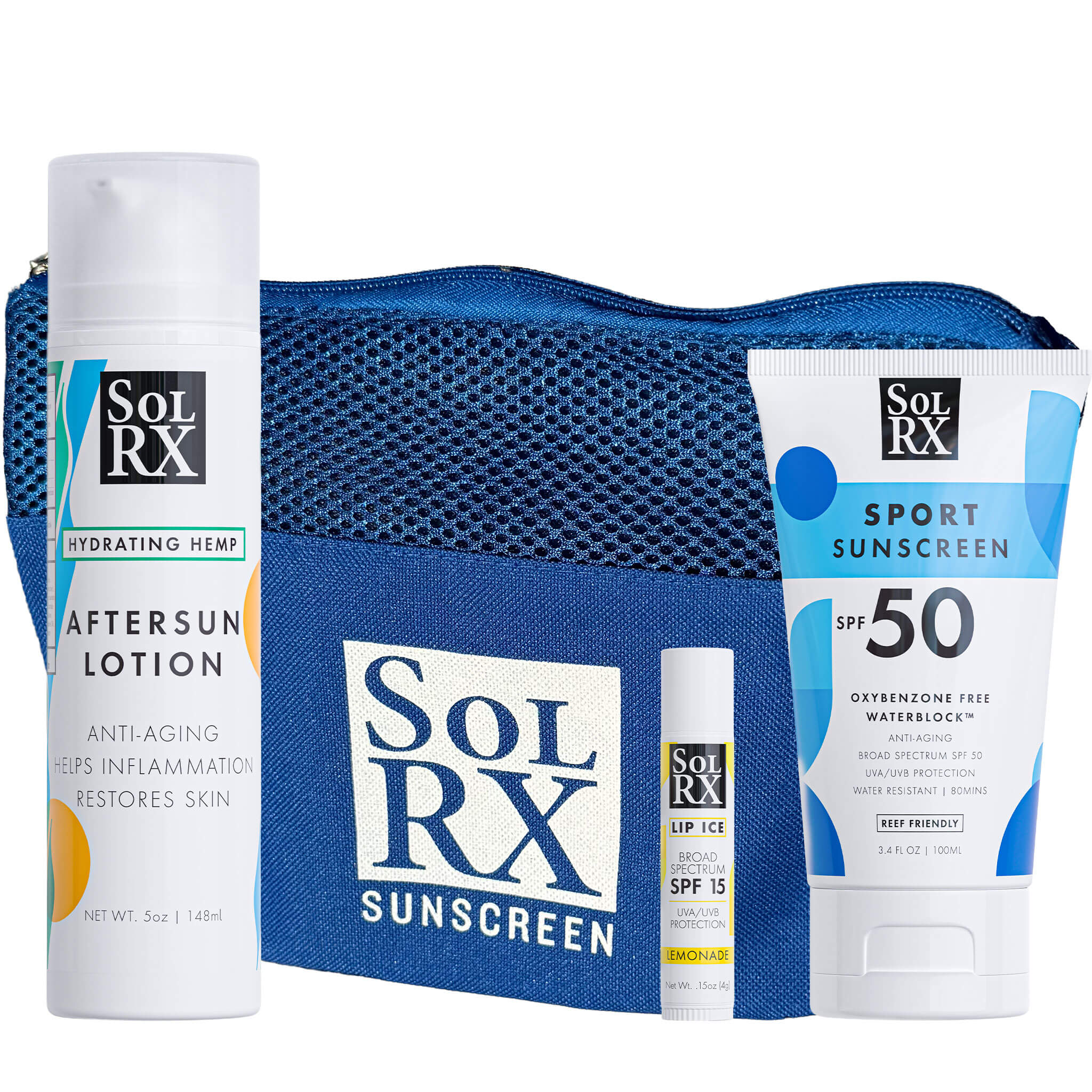
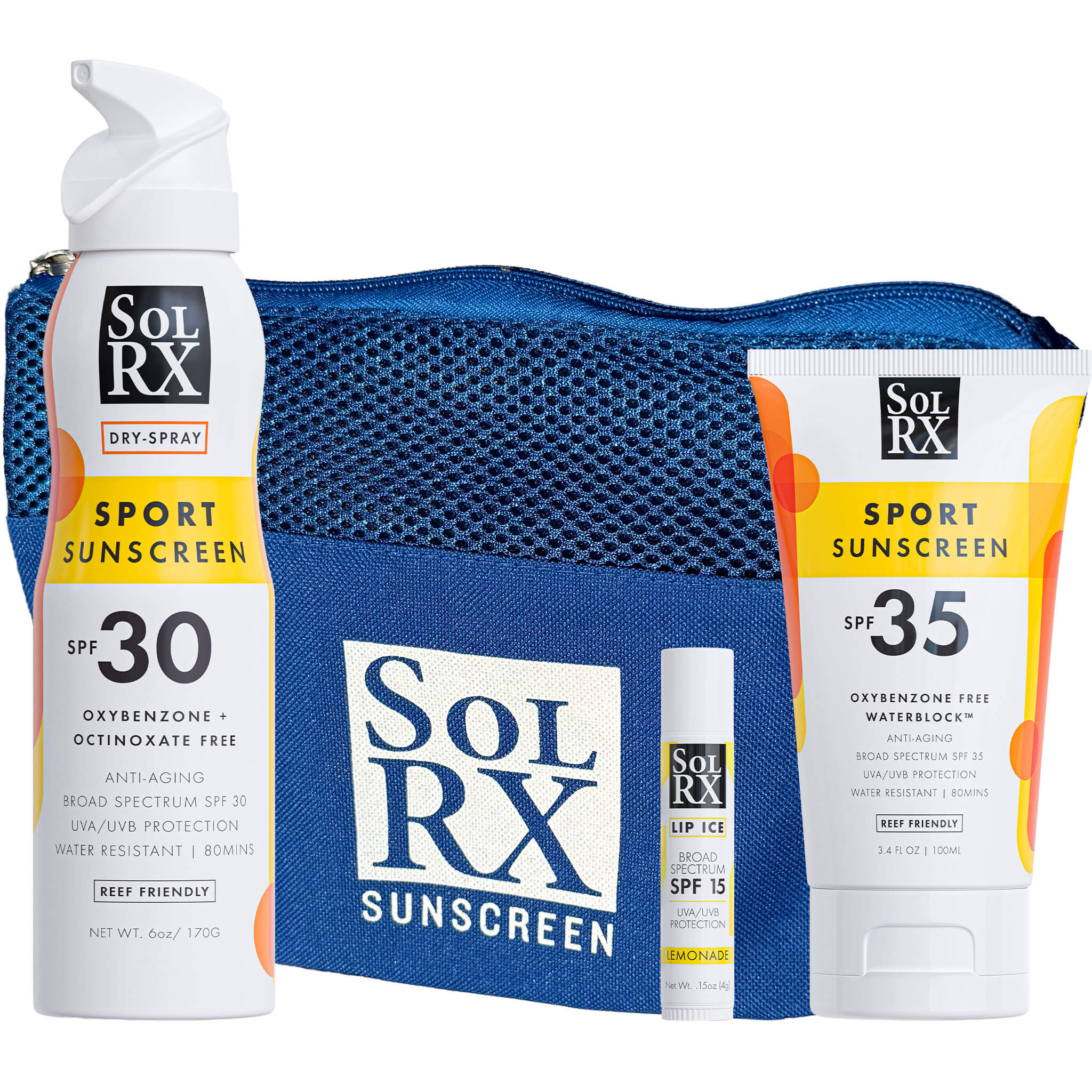
SolRX daily defense formulas are oxybenzone-free, reef-safe, and clinically tested. The lineup spans mineral and broad-spectrum options, from the lightweight Pure Mineral SPF 50 body and face formulas to the Waterblock lotions that deliver 8-hour water-resistant protection. Every formula is fragrance-free, hypoallergenic, and dermatologist-trusted for daily wear on all skin types.
Why Daily Sunscreen Is the Most Important Step in Your Skincare Routine
UVA rays cause skin aging. They penetrate clouds, glass, and the windows of your car and office. They reach the deeper layers of the skin where collagen and elastin live, breaking down the structural proteins that keep skin firm and even-toned. The cumulative effect of daily UVA exposure over years and decades is what causes premature lines, dark spots, uneven texture, and loss of elasticity. This damage accumulates whether or not you feel the sun burning your skin.
The American Academy of Dermatology estimates that up to 80 percent of visible skin aging is caused by UV exposure. Sun damage is not something that happens on beach days. It happens on the drive to work, during a lunch break outside, and through the window of any room with natural light. A daily SPF habit is the single most evidence-supported action you can take to protect your skin's long-term health and appearance.
For context, SPF 30 blocks approximately 97 percent of UVB rays. SPF 50 blocks approximately 98 percent. The difference in absolute protection between SPF 30 and SPF 50 is small, but for daily wear the higher SPF provides meaningful additional coverage against UVA-driven aging, particularly for fair skin tones and anyone with a history of sun damage. SolRX offers both SPF 30 and SPF 50 formulas to suit different preferences for daily use.
How to Build Sunscreen Into Your Morning Skincare Routine
The correct order is cleanser, toner or essence if used, serum, moisturizer, then sunscreen as the final step before makeup. Sunscreen should always go on last in your skincare routine because it needs to form an even, uninterrupted layer on top of your skin to work correctly. Applying other products on top of sunscreen disrupts that layer and reduces protection.
Apply sunscreen to your face and neck after your moisturizer has absorbed, which usually takes about one to two minutes. Use a nickel-sized amount for your face and blend evenly. Do not forget your ears, the back of your neck, and the tops of your hands, which receive significant UV exposure during daily activities. For body coverage, apply one ounce, approximately the volume of a shot glass, to all exposed skin.
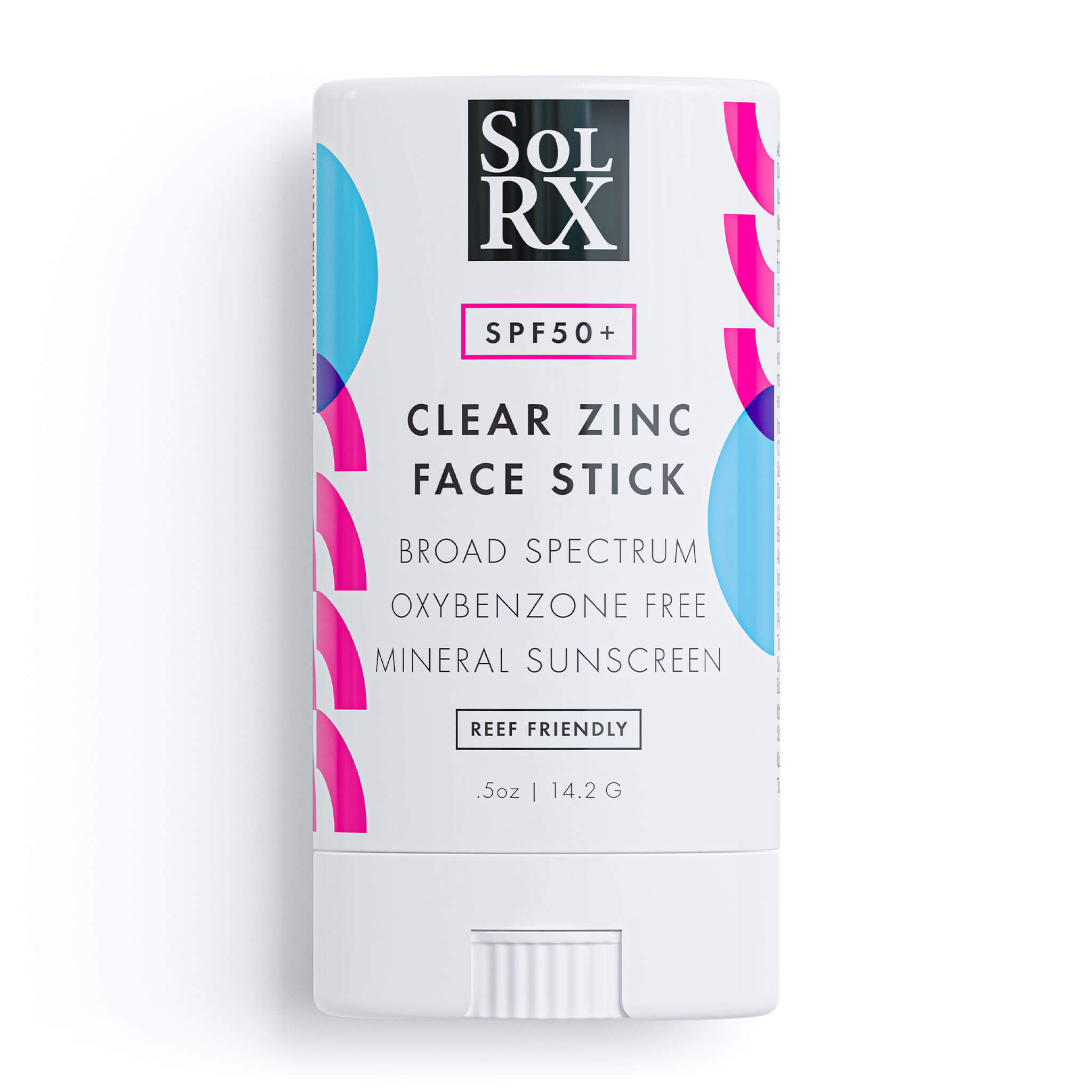
The SolRX Pure Mineral formulas absorb quickly and create a smooth, non-greasy base that layers well under foundation or tinted moisturizer. The Clear Zinc Face Stick is a practical complement for midday reapplication without disrupting makeup. Keep one in your bag, one at your desk. Reapplication every two hours of direct sun exposure is the standard recommendation, or after swimming or sweating.
UVA vs UVB: Understanding What Daily Sunscreen Protects Against
SPF measures protection against UVB rays, the shorter-wave radiation responsible for sunburn. But UVA rays are the primary driver of long-term skin aging and are present year-round at consistent intensity. The SPF number on a bottle tells you nothing about UVA protection. Broad-spectrum sunscreen is the designation that confirms protection against both UVA and UVB. Every SolRX formula is broad-spectrum.
UVA rays penetrate to the dermis, the skin's thickest layer, where collagen is produced and maintained. Chronic UVA exposure over years breaks down collagen and elastin, produces dark spots and uneven pigmentation, and creates the texture changes associated with photoaged skin. This is why daily SPF matters even when you have no plans to spend time in direct sun. UVA passes through window glass. Driving to work and sitting near a window at the office both contribute to cumulative UVA exposure.
UVB rays are strongest in summer and peak between 10 AM and 4 PM. UVA intensity is more consistent throughout the year and throughout the day. A daily defense routine addresses both by default. Browse our full mineral sunscreen collection for formulas that deliver broad-spectrum protection in a format designed for everyday wear.
Daily Sunscreen for Every Skin Type
One of the most common reasons people skip daily sunscreen is that the formulas they have tried felt wrong for their skin type. Heavy lotions on oily skin, pilling under makeup on combination skin, dryness on already-dry skin. These are formula problems, not sunscreen problems. The right formula for your skin type will feel like nothing.
For oily or combination skin, the SolRX Pure Mineral formulas dry to a natural matte finish without contributing oil or heaviness. The zinc oxide active does not block pores, and the niacinamide in the Pure Mineral formulas actively supports pore minimization and oil balance over time. For dry skin, the Waterblock lotion formulas provide broader coverage in a lotion texture that absorbs without feeling stripped.
For skin that wears makeup daily, the Pure Mineral formulas create a smooth base that does not pill or interfere with foundation or tinted moisturizer. The Clear Zinc Face Stick makes reapplication practical without requiring you to remove makeup. For those who want a single daily step that covers face and body in one formula, the Pure Mineral Body Sunscreen delivers SPF 50 mineral protection in a lightweight lotion format for all-over use.
The Long-Term Case for Daily SPF
The research on daily sunscreen use and skin aging is clear. A landmark study published in the Annals of Internal Medicine followed adults who used daily broad-spectrum SPF over four and a half years. Their skin showed no detectable increase in photoaging compared to adults who used sunscreen only occasionally. Daily users effectively paused the visible aging process driven by UV exposure.
Daily SPF also reduces the cumulative risk of skin cancer. The Skin Cancer Foundation estimates that daily use of SPF 15 or higher reduces the risk of squamous cell carcinoma by approximately 40 percent and melanoma by approximately 50 percent. Higher SPF used consistently provides additional margin. The operative word is consistently. Occasional sunscreen use on beach days provides a fraction of the long-term benefit of a daily habit applied every morning regardless of weather or plans.
Beyond aging and cancer risk, daily SPF prevents the ongoing accumulation of dark spots and hyperpigmentation. UV exposure is a primary driver of post-inflammatory hyperpigmentation, melasma, and the freckle-like spots that accumulate on sun-exposed areas over time. Preventing that pigmentation is significantly easier than correcting it after the fact. Explore our sensitive skin sunscreen collection if you need daily SPF specifically formulated for reactive or condition-prone skin.
Why Reef-Safe Formulas Matter for Daily Use
Most people who wear sunscreen daily use significantly more of it over the course of a year than occasional beachgoers. A daily SPF habit means your skin absorbs your sunscreen formula every single day. The formula you choose for daily use is worth more consideration than a formula you apply once or twice on a beach vacation.
Oxybenzone and octinoxate, the two UV filters banned in Hawaii and other reef-protected jurisdictions, have also raised questions about endocrine disruption and skin absorption in ongoing research. Whether or not these questions are fully resolved, the mineral alternative is already available and already proven. Every SolRX formula in this collection is free of oxybenzone and octinoxate. For a daily habit you sustain for years, that matters. See our full range of reef-safe sunscreen formulas for the complete SolRX oxybenzone-free lineup.
Choosing the Right Daily Defense Formula
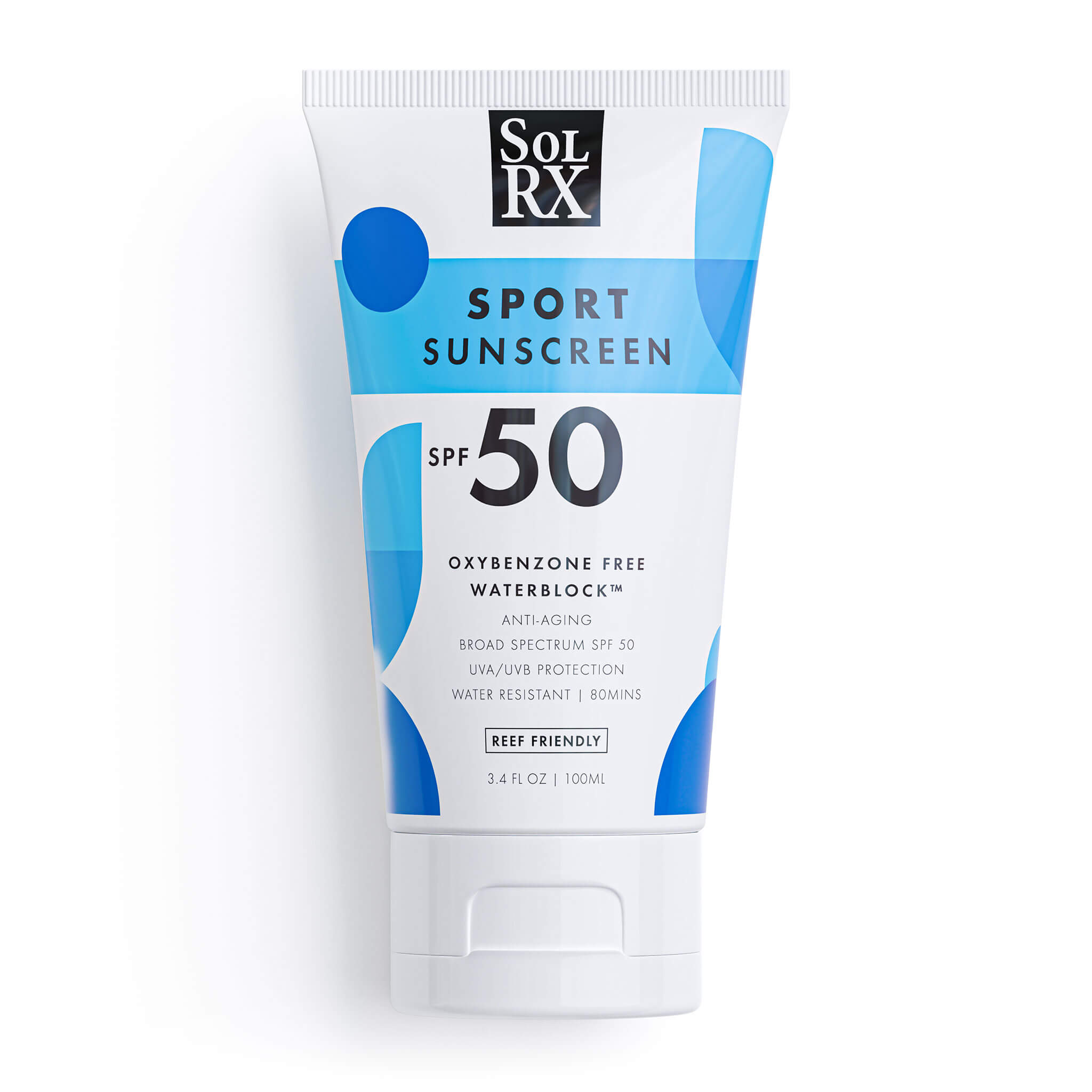
For facial daily defense, the Pure Mineral SPF 50 Face Sunscreen delivers zinc oxide 20% with niacinamide and vitamin E in a lightweight 1.7oz format designed for the face and neck. The Clear Zinc Face Stick provides a portable backup for midday reapplication. For full-body daily coverage, the Pure Mineral SPF 50 Body Sunscreen delivers the same mineral-first formula in a larger 3.4oz pump. For those who want water resistance built into their daily formula, the Waterblock lotions in SPF 35 and SPF 50 deliver 8-hour clinically tested water-resistant protection in a daily-wear lotion format. Pair with our face and lip SPF options for complete daily coverage head to toe.
Key Takeaways
-
Daily broad-spectrum SPF is the most evidence-supported step in any skincare routine.
Up to 80 percent of visible skin aging is caused by UV exposure. A daily SPF habit applied every morning regardless of weather is the most effective intervention available for long-term skin health. -
Every SolRX daily defense formula is oxybenzone-free and reef-safe.
For a formula you apply every day for years, what is not in it matters as much as what is. SolRX formulas are free of the chemical UV filters that raise questions about long-term skin absorption and environmental impact. -
Daily SPF protects against aging, dark spots, and skin cancer risk simultaneously.
UV exposure drives collagen breakdown, hyperpigmentation, and cumulative cancer risk every day. One consistent morning habit addresses all three.
Sources
- American Academy of Dermatology. Sunscreen FAQs. aad.org. Accessed April 2026.
- Hughes MC, et al. Sunscreen and Prevention of Skin Aging: A Randomized Trial. Annals of Internal Medicine. 2013;158(11):781-790.
- Skin Cancer Foundation. Sunscreen and Skin Cancer Prevention. skincancer.org. Accessed April 2026.
- Skin Cancer Foundation. Ask the Expert: Does a Daily SPF 15 Protect Skin? skincancer.org. Accessed April 2026.
- American Academy of Dermatology. How to Apply Sunscreen. aad.org. Accessed April 2026.
- Lim HW, et al. American Academy of Dermatology position statement on sunscreen. Journal of the American Academy of Dermatology. 2019.
- World Health Organization. Ultraviolet radiation and the INTERSUN Programme. who.int. Accessed April 2026.
- Photodermatology, Photoimmunology and Photomedicine. UVA penetration through window glass and cumulative exposure implications. Accessed April 2026.
- Skin Cancer Foundation. Understanding UVA and UVB. skincancer.org. Accessed April 2026.
- National Institutes of Health. Oxybenzone and endocrine disruption: current research review. nih.gov. Accessed April 2026.
Frequently Asked Questions About Daily Defense Sunscreen
Why should I wear sunscreen every day?
UV exposure is cumulative. UVA rays, which drive skin aging and increase cancer risk, are present year-round at consistent intensity. They penetrate clouds and glass, meaning every day you spend near a window or outdoors contributes to accumulated UV damage. The American Academy of Dermatology estimates that up to 80 percent of visible skin aging is caused by UV exposure. Daily sunscreen use is the most effective habit available for protecting your skin's long-term health and appearance.
Does daily sunscreen prevent skin aging?
Yes. A clinical study published in the Annals of Internal Medicine followed adults who used daily broad-spectrum SPF over four and a half years. Their skin showed no detectable increase in photoaging compared to those who used sunscreen only occasionally. Daily users effectively paused the visible aging driven by UV exposure. Sunscreen prevents the collagen breakdown, loss of elasticity, and hyperpigmentation that accumulate with chronic UV exposure over time.
Do I need sunscreen if I work indoors?
Yes. UVA rays penetrate window glass. Sitting near a window at work or driving in a car exposes your skin to UVA radiation that drives aging and pigmentation. UVA intensity is relatively consistent throughout the day and year, unlike UVB which peaks in summer. The left side of your face, which faces the driver's window, typically shows more UV aging over time than the right side for this reason. Daily SPF applied before leaving the house addresses indoor and outdoor exposure alike.
What SPF should I use for daily wear?
SPF 30 is the minimum recommended for daily use by the American Academy of Dermatology and the Skin Cancer Foundation. SPF 50 provides additional margin, blocking approximately 98 percent of UVB rays versus 97 percent for SPF 30. For daily wear, the difference between SPF 30 and SPF 50 is small in absolute terms, but SPF 50 is recommended for fair skin tones, anyone with a history of sun damage, and those spending time outdoors regularly. SolRX offers SPF 30, SPF 35, and SPF 50 daily defense formulas.
Should I wear sunscreen on cloudy days?
Yes. Up to 80 percent of UV radiation passes through cloud cover. Overcast days do not eliminate UV exposure. UVA rays in particular are minimally affected by clouds. A daily SPF habit applied every morning regardless of weather ensures consistent protection. Applying sunscreen only on visibly sunny days leaves a significant gap in your cumulative UV defense.
Where does sunscreen go in a skincare routine?
Sunscreen is the final step in your morning skincare routine, applied after moisturizer and before makeup. The correct order is cleanser, toner or serum if used, moisturizer, then sunscreen. Applying sunscreen last ensures it forms an even, uninterrupted layer on the skin surface. Applying other products on top of sunscreen disrupts that layer and reduces protection. Wait one to two minutes after moisturizer before applying sunscreen to allow it to absorb first.
How much sunscreen should I apply to my face every day?
A nickel-sized amount is the standard recommendation for the face and neck. Most people apply significantly less than this, which means the effective SPF delivered to the skin is lower than the number on the bottle. Use a generous nickel-sized amount and blend evenly across your face, neck, and ears. For your body, use approximately one ounce, the equivalent of a shot glass, to cover all exposed skin.
Does daily sunscreen prevent dark spots and hyperpigmentation?
Yes. UV exposure is a primary driver of dark spots, melasma, post-inflammatory hyperpigmentation, and the diffuse sun spots that accumulate on frequently exposed areas over time. Daily broad-spectrum SPF prevents the ongoing UV stimulation that triggers pigment production in the skin. Preventing new pigmentation is significantly more effective than correcting existing spots after they form. For skin already dealing with hyperpigmentation, daily SPF is the foundational step that makes any other brightening treatment more effective.
Can I use SPF moisturizer instead of sunscreen?
SPF moisturizers provide sun protection, but they are typically applied in smaller amounts than a dedicated sunscreen, which means the effective protection delivered is lower than labeled. If you use an SPF moisturizer generously and consistently, it provides meaningful protection. A dedicated sunscreen applied after your moisturizer gives you more precise control over how much SPF product reaches your skin. For maximum daily protection, applying sunscreen separately after your regular moisturizer is the more reliable approach.
What is the difference between UVA and UVB rays?
UVB rays cause sunburn and are strongest in summer, peaking between 10 AM and 4 PM. SPF measures protection against UVB rays. UVA rays cause skin aging and pigmentation, penetrate deeper into the skin, and are present at consistent intensity year-round regardless of season or time of day. UVA penetrates cloud cover and glass. Both types contribute to skin cancer risk. Broad-spectrum sunscreen protects against both UVA and UVB. Every SolRX formula is broad-spectrum.
Can I wear sunscreen under makeup every day?
Yes. SolRX Pure Mineral formulas are designed to layer smoothly under makeup without pilling or disrupting foundation. Apply sunscreen and allow it to absorb for one to two minutes before applying makeup. The lightweight, non-greasy formula creates a smooth base. For midday reapplication under makeup, the Clear Zinc Face Stick glides over skin without requiring you to remove your makeup first, making it practical for all-day SPF maintenance.
Does sunscreen need to be reapplied indoors?
If you are indoors away from windows and not exposed to direct light, reapplication is less critical. However, if you are near windows, driving, or spending any time outdoors during the day, reapplication every two hours of sun exposure is recommended. For primarily indoor days, a single morning application provides substantial protection. The SolRX Clear Zinc Face Stick makes reapplication fast and practical for those who move between indoor and outdoor environments throughout the day.
What is oxybenzone-free sunscreen and why does it matter for daily use?
Oxybenzone is a chemical UV filter found in many conventional sunscreens. It has been banned in Hawaii and other reef-protected jurisdictions due to evidence of harm to coral reefs. Ongoing research has also raised questions about its absorption into the bloodstream with regular use. For a formula you apply every day for years, the cumulative exposure to oxybenzone is higher than for occasional use. Every SolRX daily defense formula is oxybenzone-free. The mineral and broad-spectrum alternatives available in the SolRX lineup deliver equal or better UV protection without oxybenzone.
Does daily sunscreen reduce skin cancer risk?
Yes. The Skin Cancer Foundation estimates that daily use of SPF 15 or higher reduces the risk of squamous cell carcinoma by approximately 40 percent and melanoma risk by approximately 50 percent. Consistent daily use provides significantly more protection than sunscreen applied only during beach or outdoor activities. UV damage accumulates over a lifetime. A daily SPF habit started at any age reduces the cumulative burden of that damage and lowers long-term skin cancer risk.

