


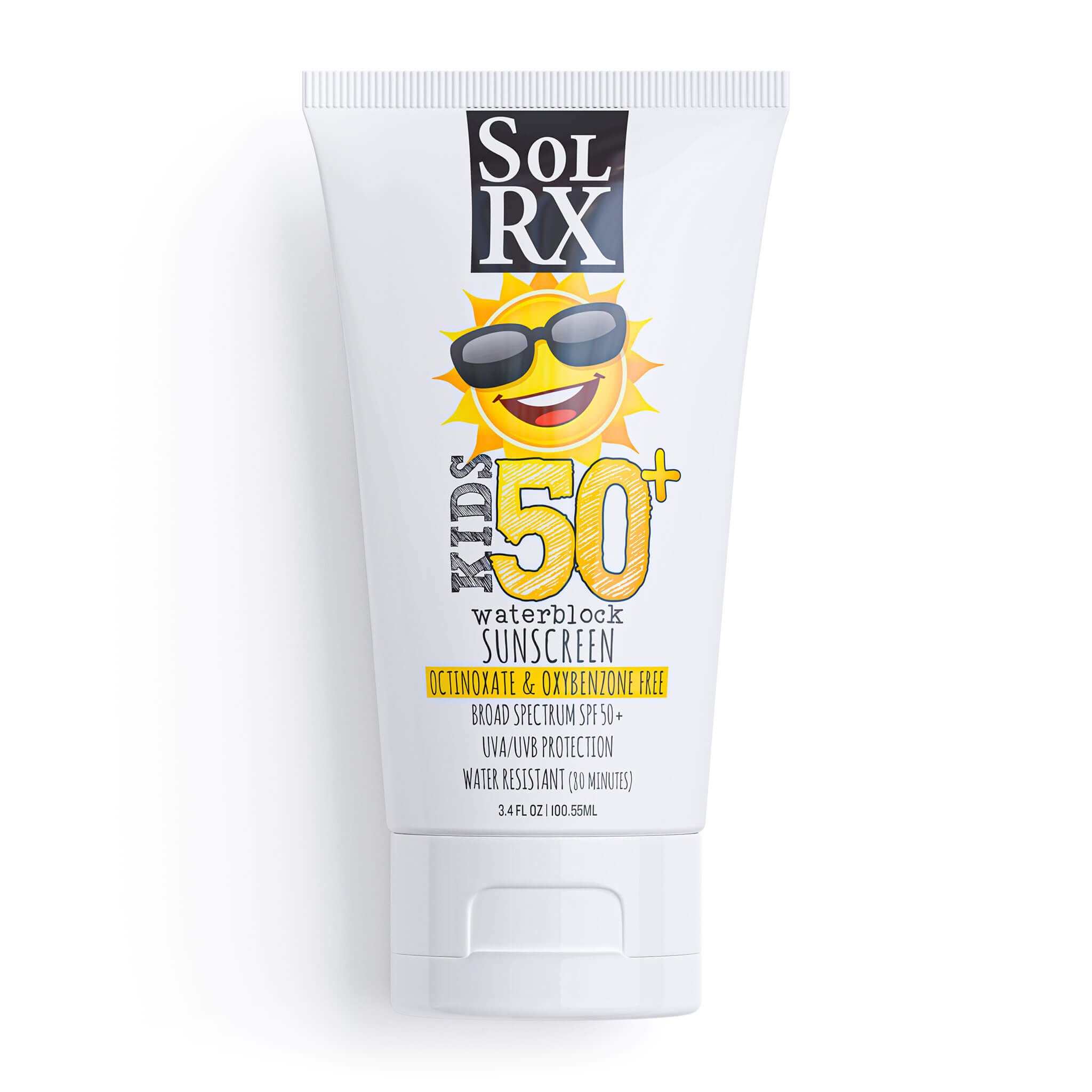
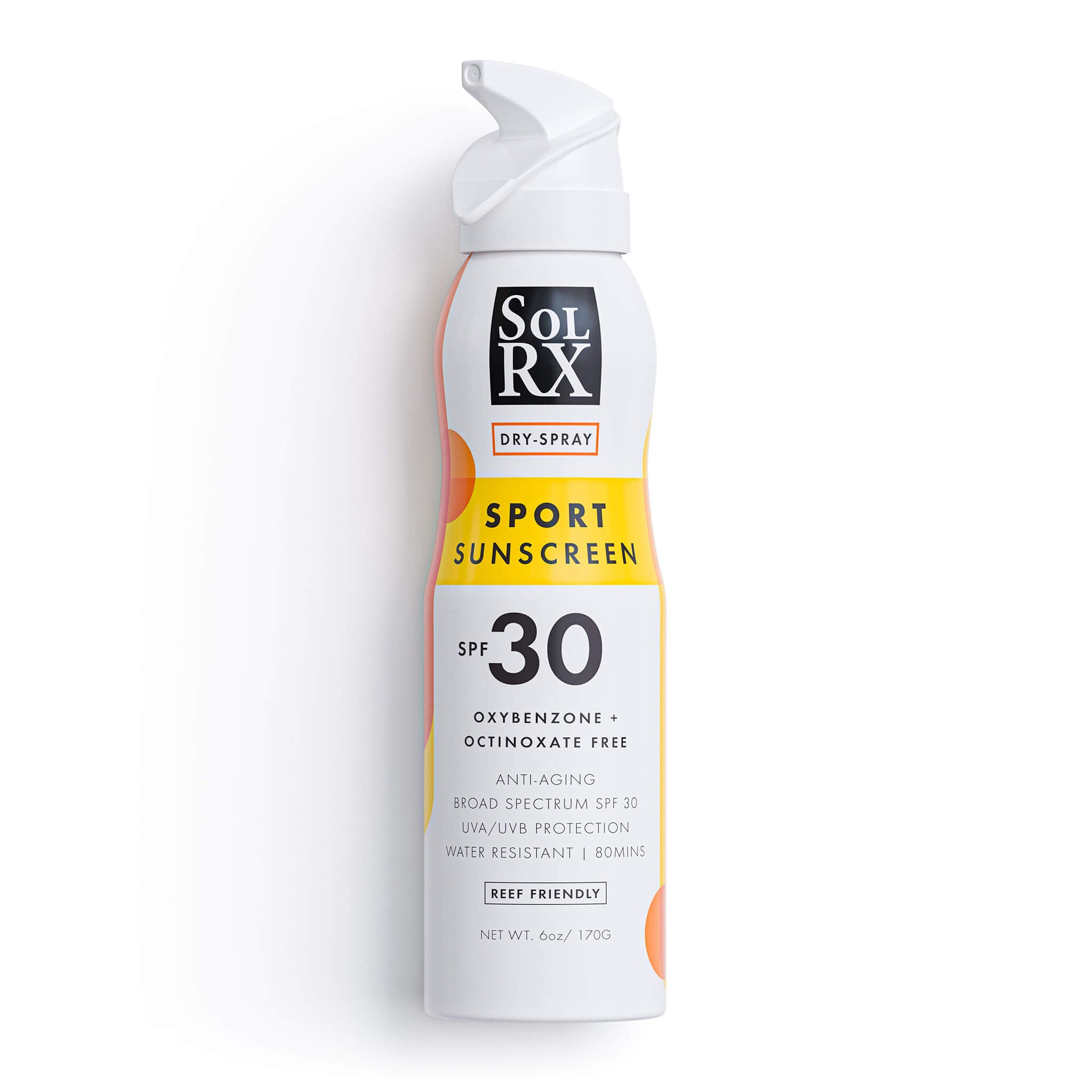
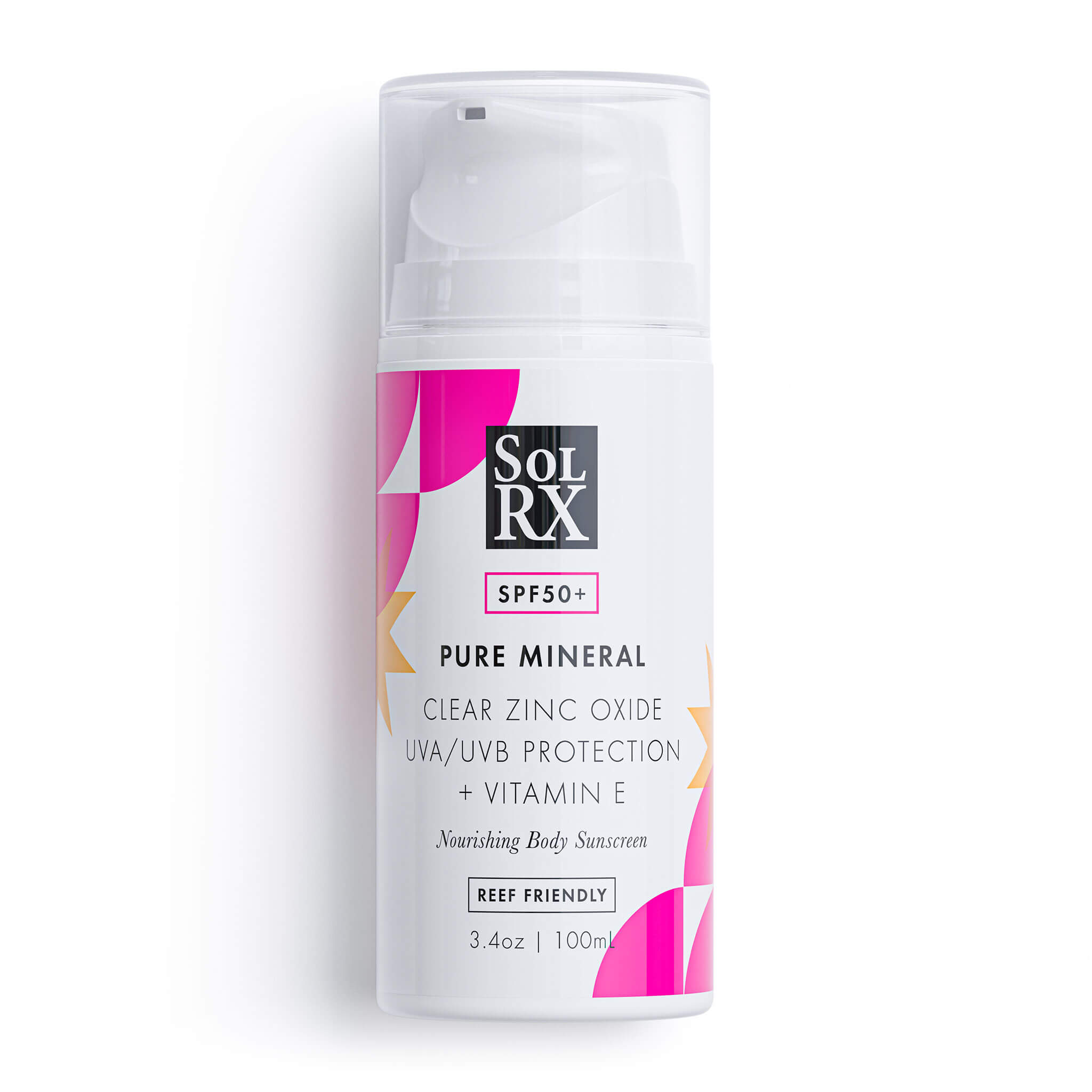
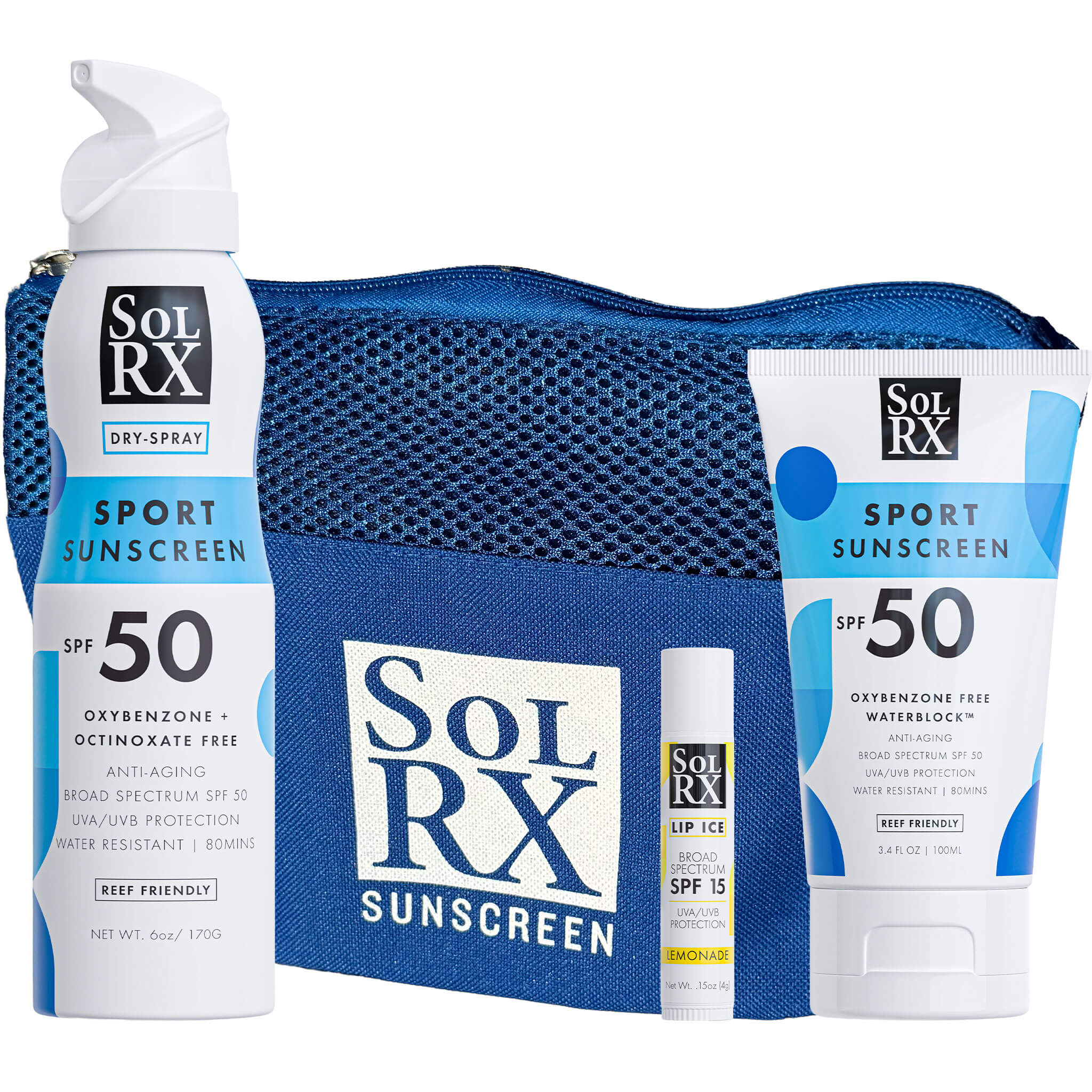
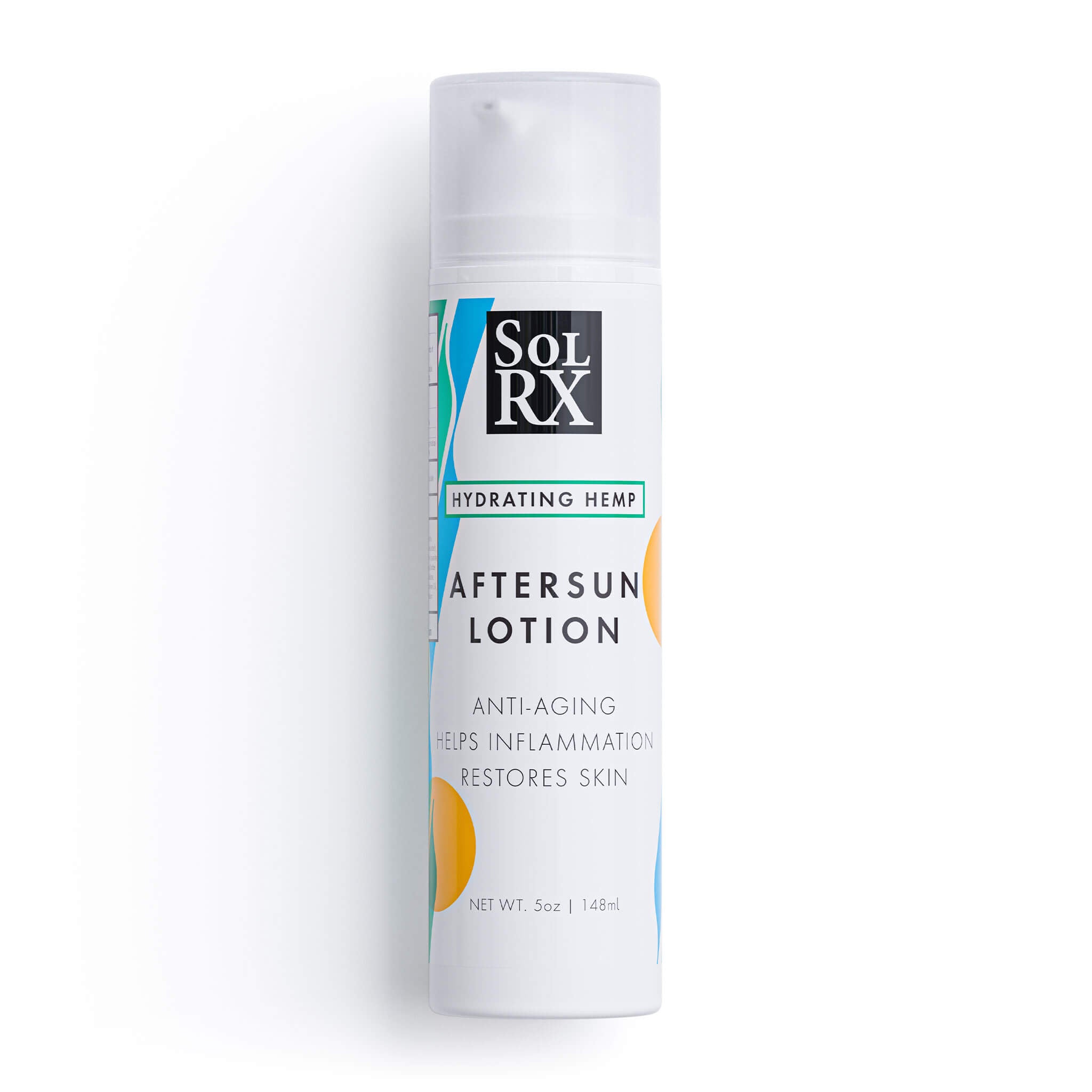
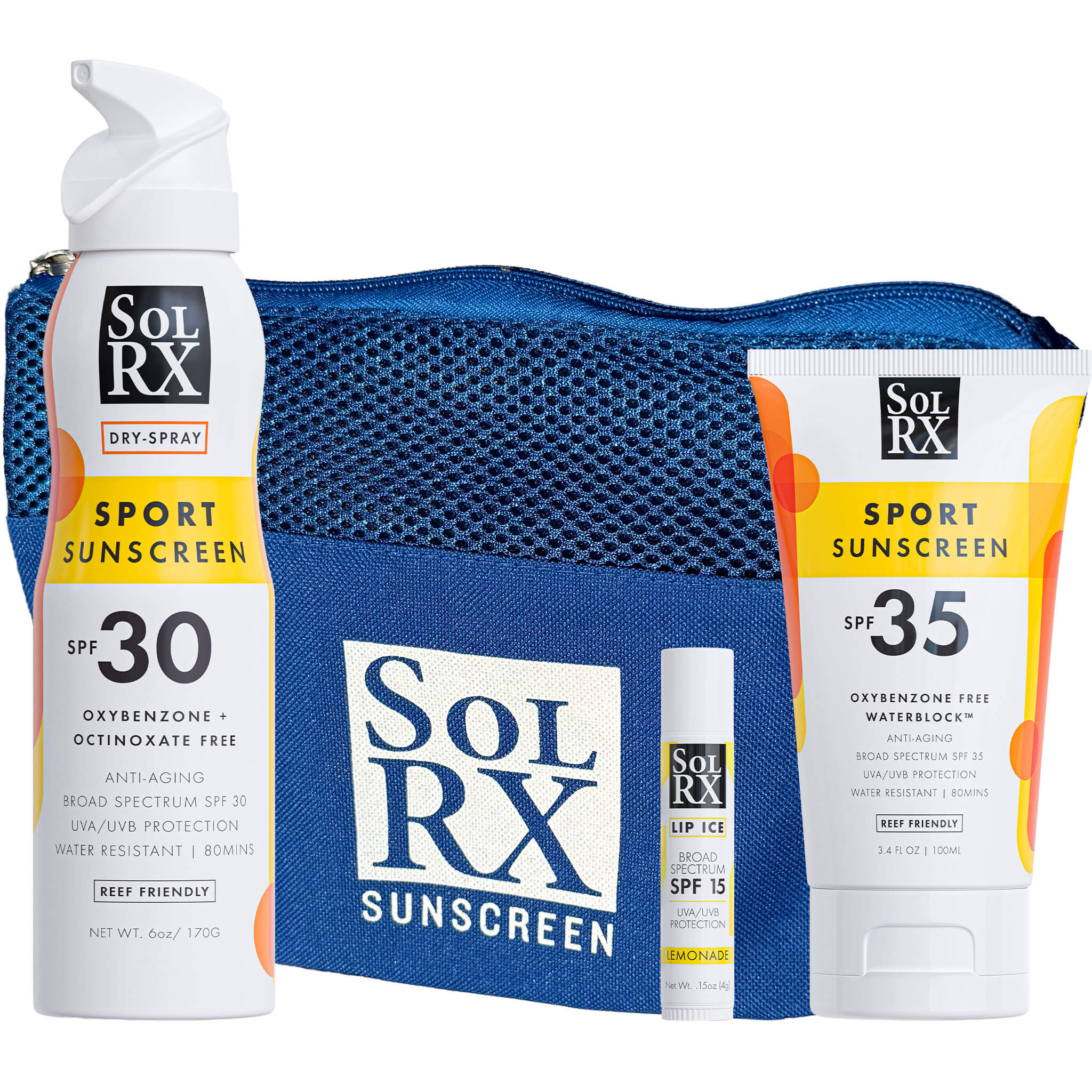
Every formula free of oxybenzone and octinoxate. Banned in Hawaii, the US Virgin Islands, Aruba, and Bonaire. Zinc oxide mineral and oxybenzone-free Waterblock formulas. All Hawaii Act 104 compliant. Dermatologist-tested. Made in USA.


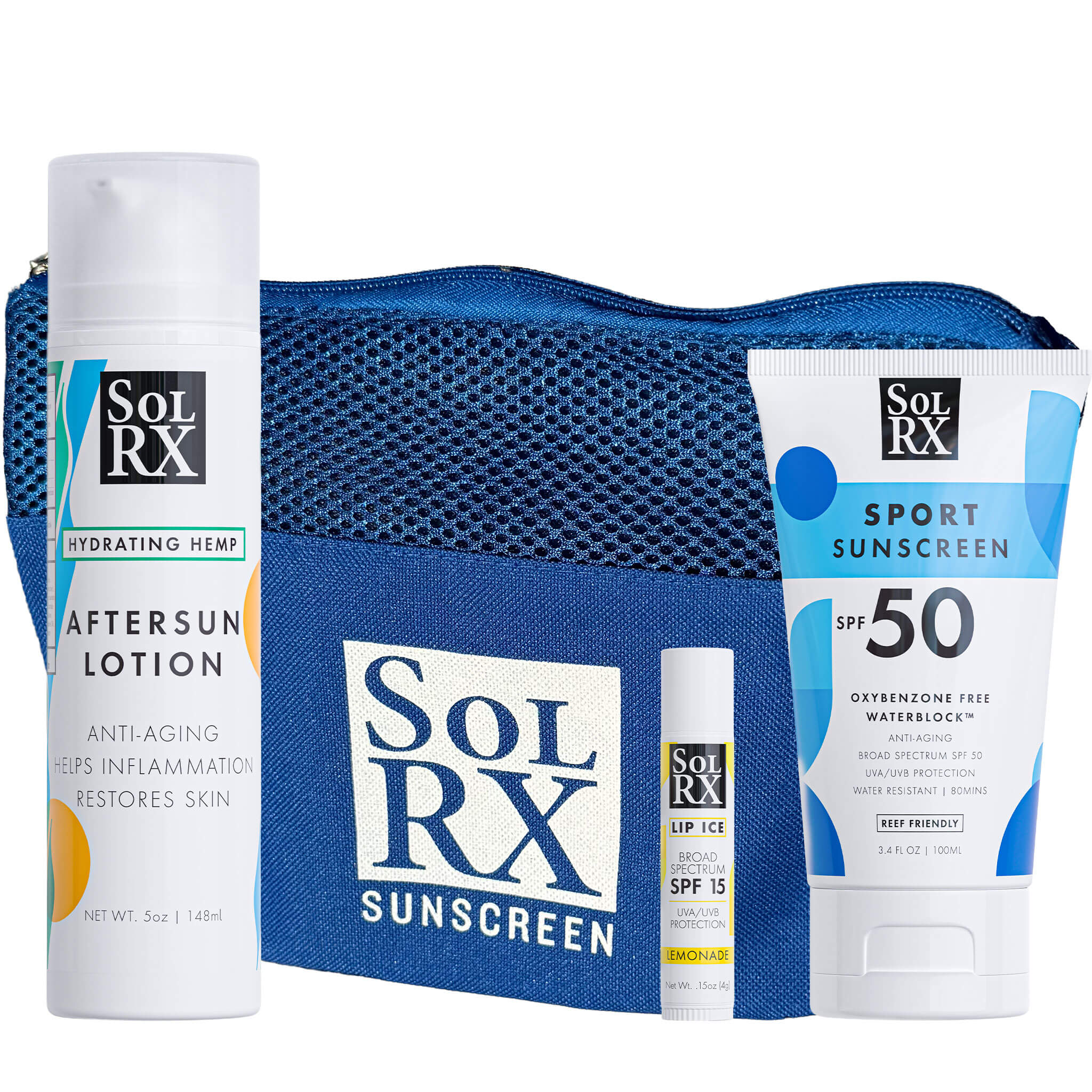
What Does Reef-Safe Sunscreen Actually Mean?
Reef-safe is one of those terms that sounds straightforward until you start reading labels. The honest reality: the term is not regulated by the FDA, and any brand can print it on a bottle regardless of what is actually inside. That ambiguity is exactly why it matters to know what to look for.
In practical terms, a reef-safe sunscreen avoids the chemical UV filters that research has linked to coral bleaching and marine ecosystem damage. The two ingredients that most concern marine scientists and conservation organizations are oxybenzone and octinoxate. Studies have shown that oxybenzone can cause coral bleaching at extremely low concentrations, damage coral DNA, and disrupt coral reproduction. Hawaii became the first state in the US to ban sunscreens containing these chemicals in 2021. Since then, similar bans have been enacted in the US Virgin Islands, Key West, Palau, Bonaire, Aruba, and parts of Mexico and Thailand.
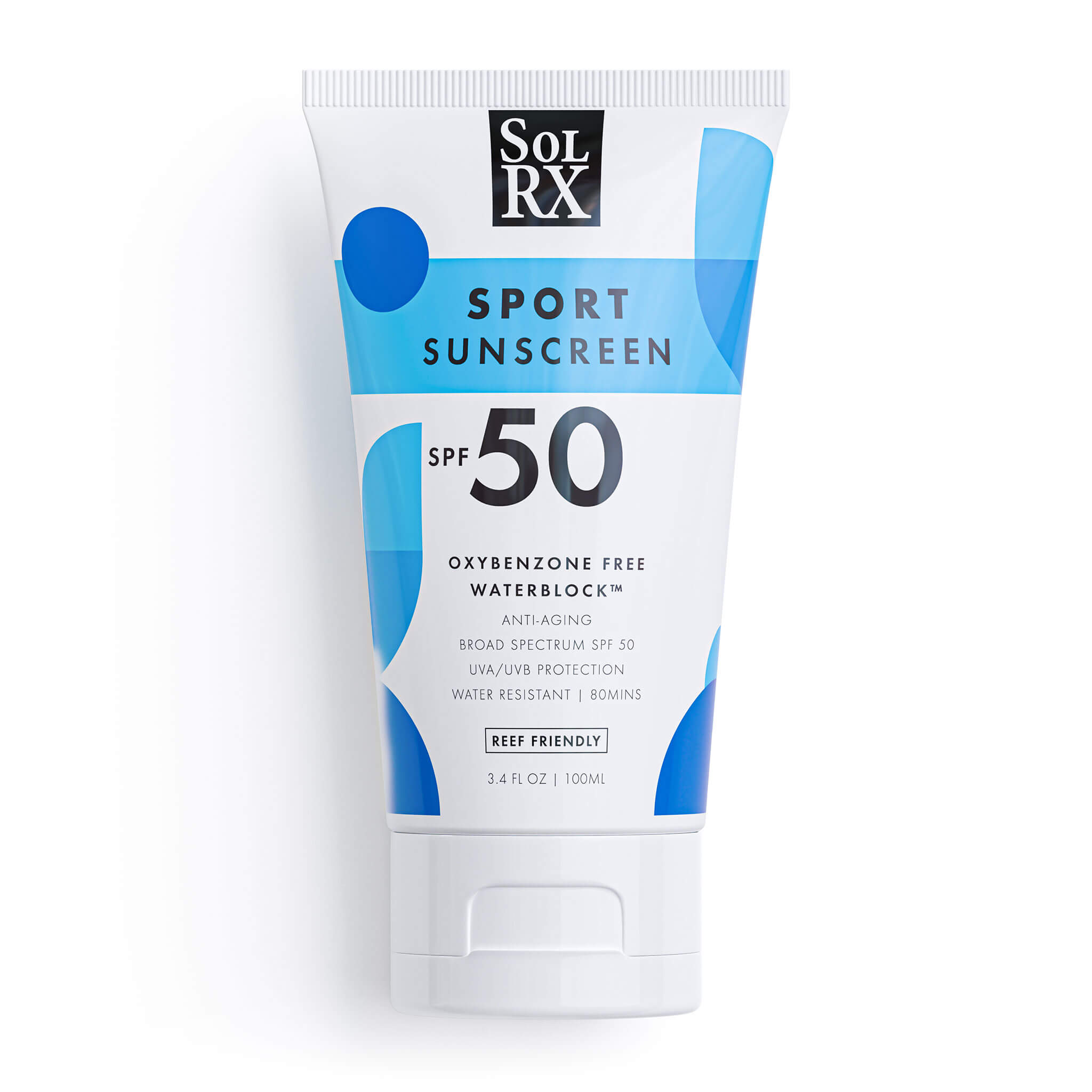
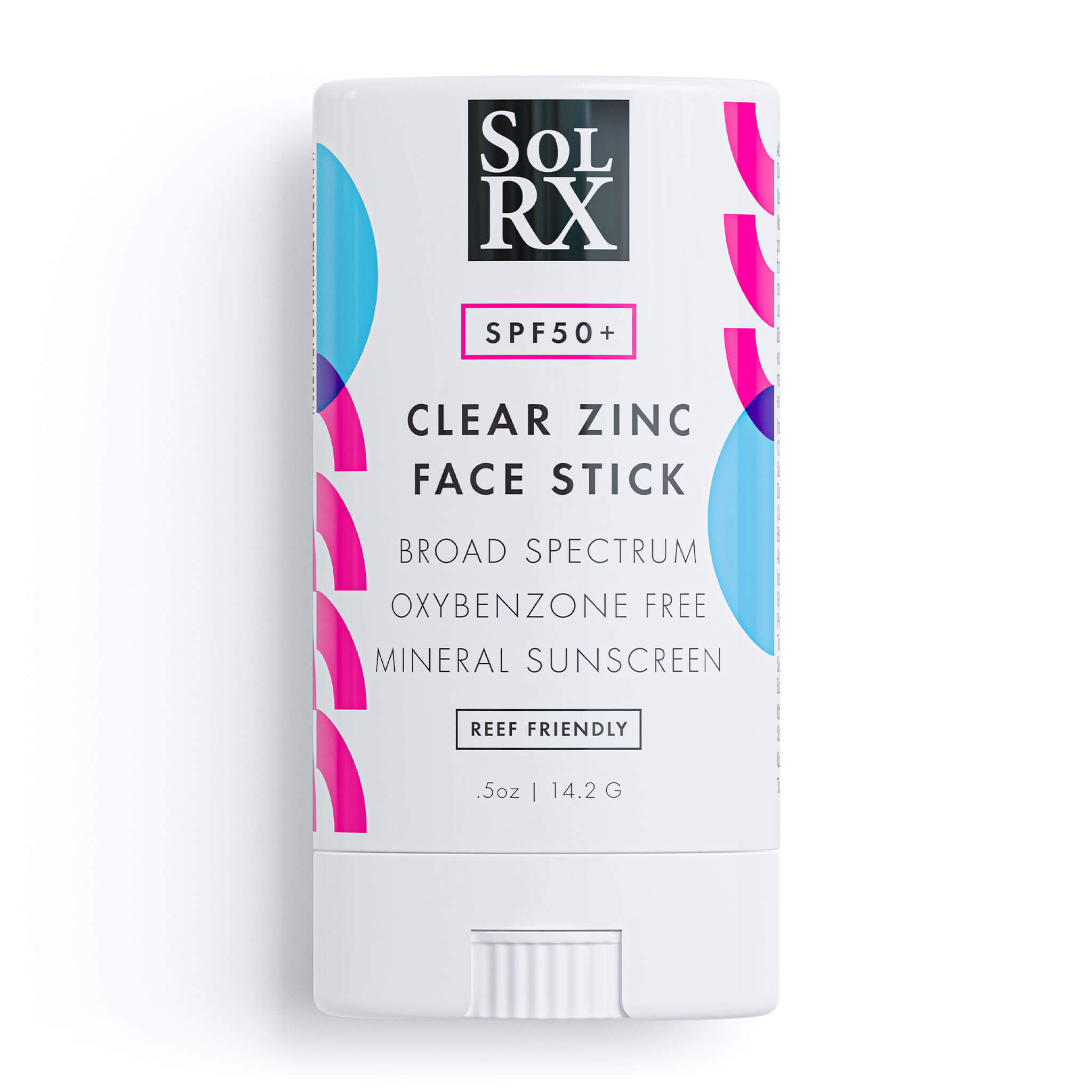
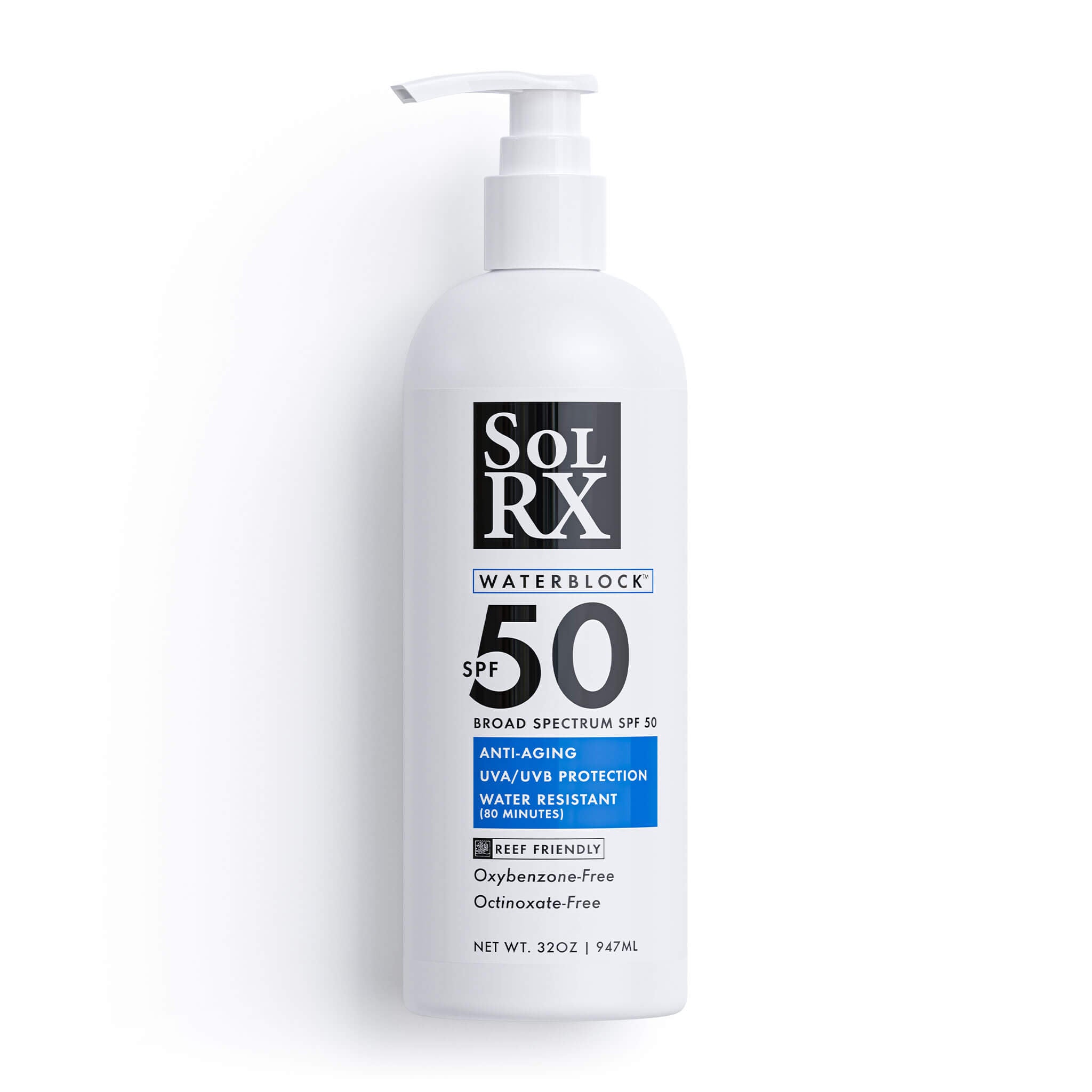
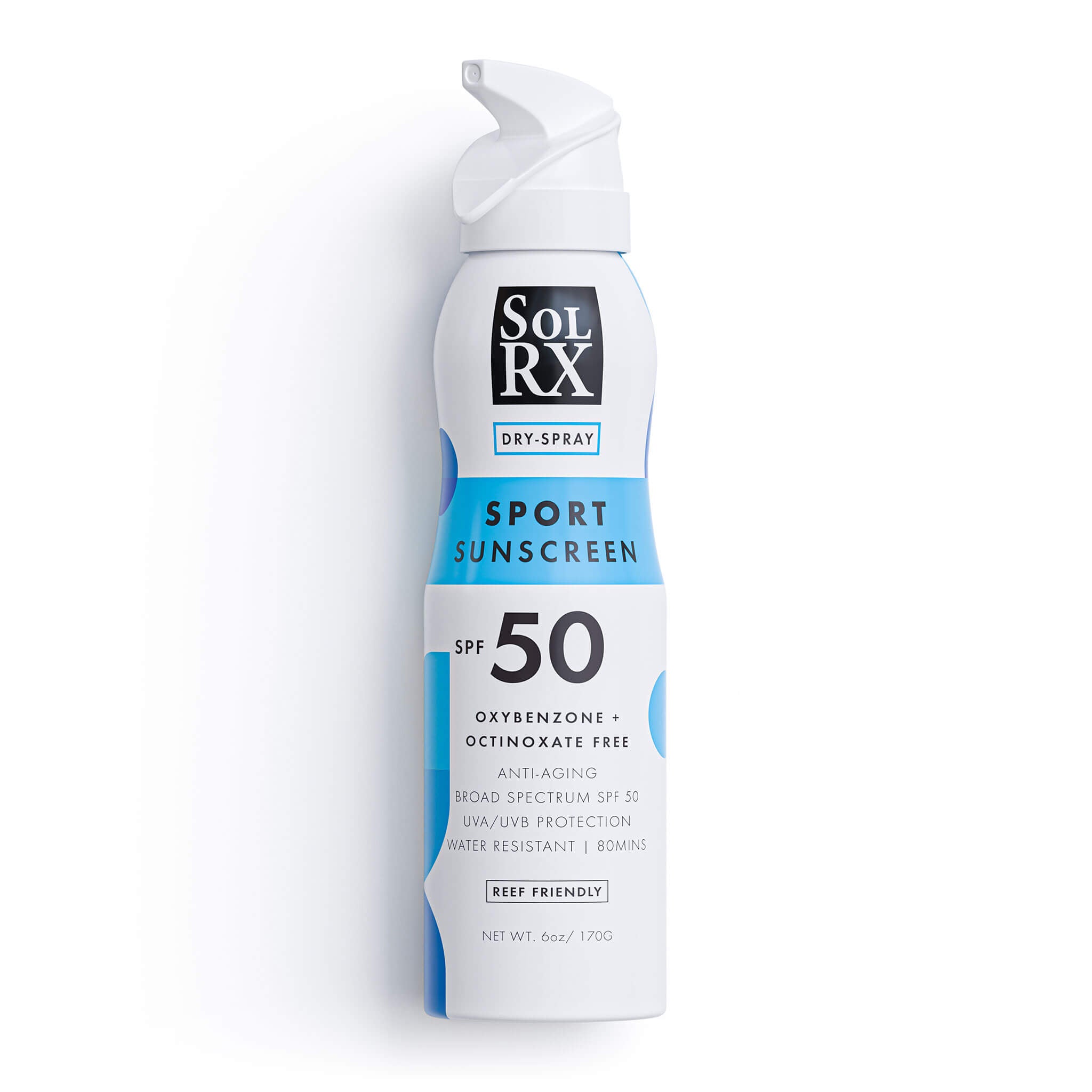
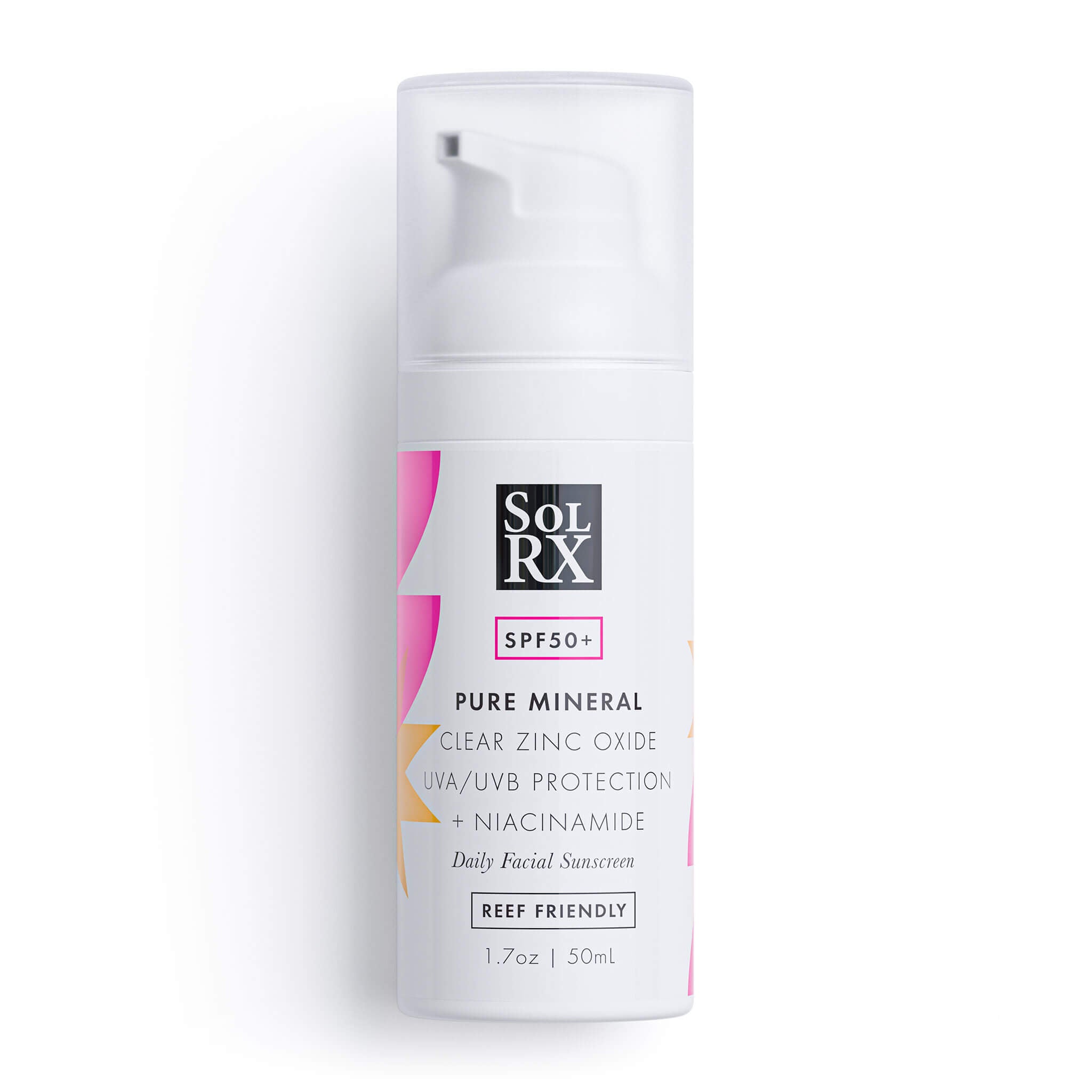
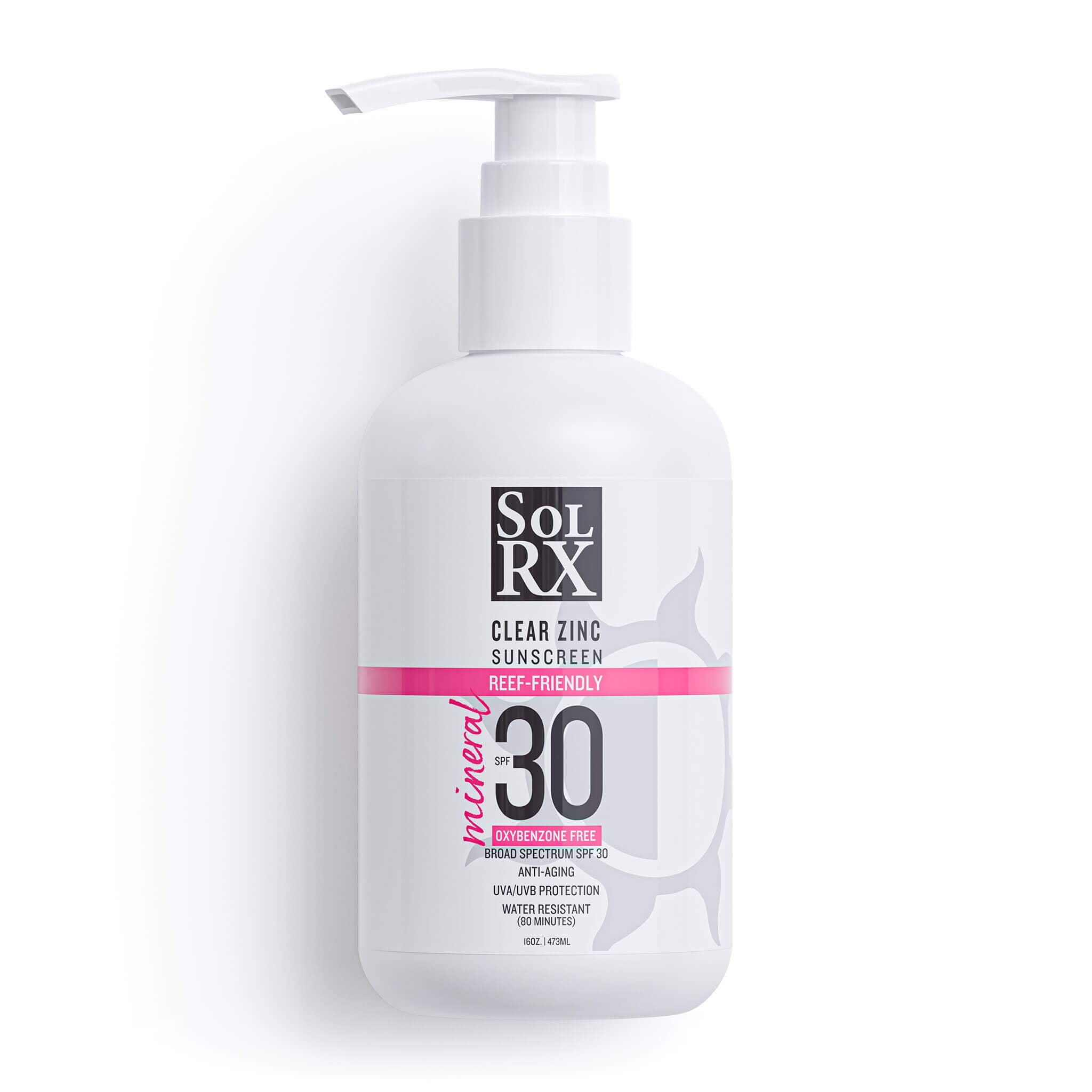
Other chemical filters also raise concerns, including octocrylene, homosalate, octisalate, and avobenzone. A truly clean reef-safe formula avoids all of them. The SolRX reef-safe collection includes two formula types, both free of oxybenzone, octinoxate, and every ingredient on the reef-harm watchlist. Zinc oxide mineral formulas use physical UV filters only and meet the strictest reef-safe standard at every regulated destination. The oxybenzone-free Waterblock and spray formulas are Hawaii Act 104 compliant chemical formulas free of every banned ingredient, delivering the performance that active, water-based lifestyles demand.
The Difference Between Chemical and Mineral Sunscreen
Understanding how sunscreen works helps explain why the ingredient distinction matters for both your skin and the ocean. Chemical sunscreens absorb UV radiation and convert it into heat, which is then released from your skin. This requires the active ingredients to penetrate the outer layers of skin to function. The problem is that those same ingredients can also penetrate into waterways, where they accumulate and affect aquatic life. The FDA has acknowledged this concern by proposing to remove several common chemical filters from its Generally Recognized as Safe and Effective list, pending further safety data. Oxybenzone and octinoxate sit at the top of that list. None of the formulas in the SolRX reef-safe collection contain either ingredient.
Mineral sunscreens work entirely differently. Zinc oxide and titanium dioxide sit on the surface of the skin and act as a physical shield, deflecting and scattering UV rays before they reach your skin. They are the only two UV filters the FDA currently classifies as safe and effective. For sensitive skin, kids, pregnant women, and anyone who spends regular time in or near the water, the mineral sunscreen collection is the most straightforward choice. And when formulated well, there is no trade-off on performance.
Why SolRX Reef-Safe Formulas Are Different
Not all reef-safe sunscreens are built the same. The SolRX reef-safe collection covers two distinct formula types, unified by one standard: no oxybenzone, no octinoxate, no ingredients on the reef-harm watchlist. The mineral formulas use zinc oxide as the only active ingredient, delivering the strictest reef-safe standard available and meeting compliance requirements at every regulated reef destination from Hawaii to the USVI to Bonaire. For face-specific coverage, the face and lip collection carries lightweight, non-comedogenic zinc oxide options for daily use and reapplication.
The Waterblock lotion and spray formulas are oxybenzone-free and octinoxate-free chemical formulas, Hawaii Act 104 compliant, with Waterblock lotion technology independently tested for 8-hour water resistance. For active, water-based days where formula durability is the priority, the water resistant collection covers those formulas in full. The biggest historical complaint about mineral SPF was the white cast. SolRX addressed that directly. Mineral formulas in this collection are engineered for a no-white-cast finish, so you get full-spectrum protection without looking like you applied paste. Every formula in the SolRX reef-safe collection is dermatologist-tested and built in the USA, with broad-spectrum coverage for both UVA and UVB rays.
How to Choose the Right SPF for Reef-Safe Protection
SPF 30 blocks about 97 percent of UVB radiation. SPF 50 blocks about 98 percent. For extended outdoor exposure and reef-safe travel destinations like Hawaii, SPF 50 and a mineral-only formula is the stronger call. For reef-safe sunscreen specifically, here is what actually matters when choosing. Check the active ingredients first. The label should list zinc oxide and/or titanium dioxide as the only active ingredients if you want a mineral formula. Anything else in the active section means it contains a chemical UV filter. Look for broad-spectrum on the label, which confirms protection against both UVA rays (aging and long-term damage) and UVB rays (burning). For mineral formulas, look for non-nano zinc oxide or titanium dioxide. Non-nano particles are too large to be ingested by coral polyps. Check the water resistance rating. SolRX Waterblock lotion formulas carry an independently tested 8-hour water resistance rating. SolRX spray formulas offer 80-minute water resistance. For use near natural water, lotion formats stay where you put them and do not risk formula reaching sand or ocean directly.
The Science Behind Sunscreen and Coral Reefs
Coral reefs cover less than one percent of the ocean floor but support more than 25 percent of all marine species. Scientists estimate that between 6,000 and 14,000 tons of sunscreen enter reef environments globally each year. Research has shown that oxybenzone can cause bleaching, DNA damage, and deformities in coral larvae at concentrations as low as 62 parts per trillion. That is roughly equivalent to one drop in a large residential swimming pool. Coral bleaching happens when corals expel the symbiotic algae that give them their color and energy. Without those algae, corals turn white and become vulnerable to disease and starvation. Prolonged stress without recovery leads to reef death. Choosing reef-safe sunscreen does not solve all of the ocean's problems. Climate change remains the largest threat to coral worldwide. But reducing the chemical load that enters reef ecosystems is a real and meaningful action, and it costs you nothing in protection to make the switch.
Tips for Getting the Most From Reef-Safe Sunscreen
Reef-safe sunscreen works best when applied correctly. Apply 15 to 30 minutes before sun exposure to allow even settling across the skin surface. Use enough product. The FDA recommends one ounce, roughly a shot glass full, for full-body coverage. Most people apply 25 to 50 percent less than they need, which dramatically reduces the actual SPF delivered. Reapply every two hours. UV exposure degrades sunscreen over time regardless of formula. Reapply after swimming or heavy sweating, even within the two-hour window. Cover the spots people miss: ears, back of the neck, tops of feet, and the face. The face and lip collection covers zinc oxide options specifically sized and formatted for face use and reapplication. Pair sunscreen with a wide-brimmed hat, UV-protective clothing, and shade during peak hours, 10 AM to 4 PM, to reduce total UV exposure.
Where Is Reef-Safe Sunscreen Required?
If you are traveling to any of the following destinations, non-reef-safe sunscreen is not just an environmental issue. It can result in fines. Hawaii bans oxybenzone and octinoxate statewide, with Maui County extending the ban to all non-mineral sunscreens without a prescription. Key West, Florida bans oxybenzone and octinoxate. The US Virgin Islands, covering St. Thomas, St. John, and St. Croix, bans oxybenzone, octinoxate, and octocrylene. Palau was the first country to ban reef-toxic sunscreen ingredients nationwide. Bonaire and Aruba both ban oxybenzone and octinoxate. Parts of Mexico, including Tulum, Cozumel, cenotes, and national marine parks, require mineral-only sunscreen in protected swimming areas. Thailand national marine parks require reef-friendly sunscreen. Many resorts and dive sites in the Maldives also enforce reef-safe requirements. Even outside these destinations, choosing a reef-safe formula is the right call anywhere you are near natural water. The kids collection covers reef-compliant zinc oxide formulas for children, and the sunscreen bundles make it easy to stock the right formulas for every person in your group before you leave.
Key Takeaways
-
SolRX Waterblock and spray formulas are oxybenzone-free, octinoxate-free, and Hawaii Act 104 compliant.
They deliver up to 8-hour water resistance without the ingredients that harm coral reefs or trigger destination bans worldwide. -
For the strictest reef-safe standard, zinc oxide mineral formulas are the cleanest choice.
Zinc oxide is one of only two UV filters the FDA classifies as Generally Recognized as Safe and Effective, and it has not been linked to coral reef damage at any concentration. -
Every SolRX reef-safe formula contains zero oxybenzone and zero octinoxate.
Those two ingredients are banned in Hawaii, the US Virgin Islands, Aruba, and Bonaire. Every formula in this collection clears every destination ban simultaneously.
Sources
- U.S. Food and Drug Administration. Sunscreen: How to Help Protect Your Skin from the Sun. FDA.gov.
- National Park Service. Reef-Friendly Sun Protection. NPS.gov.
- National Oceanic and Atmospheric Administration. Sunscreen Chemicals and Coral Reefs. OceanService.NOAA.gov.
- Downs, C.A. et al. Toxicopathological Effects of the Sunscreen UV Filter, Oxybenzone (Benzophenone-3), on Coral Planulae and Cultured Primary Cells and Its Environmental Contamination in Hawaii and the U.S. Virgin Islands. Archives of Environmental Contamination and Toxicology. February 2016.
- Danovaro, R. et al. Sunscreens Cause Coral Bleaching by Promoting Viral Infections. Environmental Health Perspectives. April 2008.
- Surfrider Foundation. Reef Friendly Sunscreen Guide. Surfrider.org. 2025.
- Hawaii Tourism Authority. Hawaii State Law on Sunscreen Chemicals. HawaiiTourismAuthority.com. 2021.
- Smithsonian Ocean. The Truth About Corals and Sunscreen. Ocean.SI.edu.
- REI Co-op. What Is Reef-Safe Sunscreen? REI.com.
- Centers for Disease Control and Prevention. National Report on Human Exposure to Environmental Chemicals. CDC.gov.

